Every truck driver needs the right coverage. Find the Best Truck Insurance Companies in the USA with our expert guide. We compare options & explain coverage to ensure your rig is protected. Safely hit the road with confidence.
Table of content
- Understanding Truck Insurance: Key Types and Coverage Options
- Commercial Auto Insurance
- Liability Coverage
- Collision Coverage
- Comprehensive Coverage
- Cargo Insurance
- Physical Contact vs. Non-Physical Contact Coverage
- Other Coverage Options
- Determining the Right Coverage
- Navigating Truck Insurance Costs: Factors Influencing Premiums
- Understanding Liability Coverage
- Exploring Other Coverage Options
- Ways to Potentially Lower Premiums
- Comparing Top Truck Insurance Companies: Features & Benefits
- Decoding Truck Insurance Policies: Essential Terms and Exclusions
- Key Policy Terms to Know
- Common Exclusions in Truck Insurance Policies
- Understanding Policy Limits and Deductibles
- The Importance of Reading the Fine Print
- Seeking Expert Advice
- Building a Strong Case for Coverage: What Insurance Companies Look For
- Driving Record and History
- Vehicle Information and Usage
- Coverage Needs and Limits
- Claims History
- Safety Features and Preventative Measures
- Financial Stability
- Conclusion
- Optimizing Your Truck Insurance: Discounts and Cost-Saving Strategies
- Protecting Your Business: Risk Management for Trucking Operations
- Identifying Common Risks in Trucking
- Implementing Effective Risk Management Strategies
- Making the Right Choice: Choosing the Best Truck Insurance for Your Needs
Understanding Truck Insurance: Key Types and Coverage Options
Choosing the right truck insurance isn't a one-size-fits-all solution. The type of truck you operate, the goods you haul, and your business needs all play a significant role in determining the appropriate coverage. Understanding the various types of truck insurance available is the first crucial step toward securing adequate protection. Here's a breakdown of the key options:
Commercial Auto Insurance
This is the foundational type of insurance for any vehicle used for business purposes, including trucks. It differs from personal auto insurance in several key ways. Commercial auto insurance covers accidents, injuries, and property damage that occur while operating a truck for business. It typically offers broader coverage than personal auto insurance and is legally required in most states for commercial use. Factors like the truck's use (e.g., delivery, long-haul trucking) and the number of drivers involved will influence the premium.
Liability Coverage
Liability coverage is a fundamental component of commercial auto insurance. It protects your business from financial losses if your truck causes an accident that results in injury or property damage to others. This coverage comes in two parts: bodily injury liability and property damage liability. Bodily injury coverage covers medical expenses, lost wages, and pain and suffering for those injured in an accident you cause. Property damage coverage pays for repairs or replacement of someone else's vehicle or property damaged in the incident. State minimum liability limits often aren't sufficient for commercial operations; businesses should consider higher limits to adequately protect themselves.
Collision Coverage
Collision coverage pays for damage to your truck if it collides with another vehicle or object, regardless of who is at fault. This is essential for protecting your investment in the truck, especially for newer or high-value vehicles. However, collision coverage typically has a deductible, which is the amount you pay out-of-pocket before the insurance coverage kicks in.
Comprehensive Coverage
Comprehensive coverage protects your truck from damage caused by events other than collisions. This includes incidents like theft, vandalism, fire, hail, windstorms, and falling objects. Comprehensive coverage also usually has a deductible. For trucking businesses that operate in areas prone to severe weather or experience frequent theft, comprehensive coverage is a vital safeguard.
Cargo Insurance
If your truck is used to transport goods, cargo insurance is essential. This coverage protects the merchandise you are hauling from damage or loss due to various perils, such as accidents, theft, or natural disasters. The value of the cargo you transport will determine the amount of cargo insurance you need. It's important to note that standard commercial auto insurance policies typically do not include cargo coverage.
Physical Contact vs. Non-Physical Contact Coverage
Commercial auto insurance policies categorize coverage based on how a loss occurs. Physical contact coverage applies when your truck collides with another vehicle or object. Non-physical contact coverage covers damage to your truck caused by events like fire, theft, or vandalism, even if there's no physical impact with another object. Understanding this distinction is crucial when evaluating your insurance needs. For instance, a hailstorm would fall under non-physical contact coverage.
Other Coverage Options
Beyond the core coverages, there are other options available for truck owners:
- Uninsured/Underinsured Motorist Coverage: Protects your business if you're involved in an accident with a driver who has no insurance or insufficient coverage.
- Medical Payments Coverage: Covers medical expenses for you and your passengers, regardless of fault.
- Mechanical Breakdown Insurance: Helps cover the cost of repairs to your truck's mechanical components.
Determining the Right Coverage
Several factors influence the type and amount of truck insurance a business needs:
- Type of Truck: The value and type of truck (e.g., box truck, semi-truck, flatbed) affect the cost of coverage.
- Truck Usage: How the truck is used (e.g., personal use, commercial deliveries, long-haul trucking) determines the necessary coverage.
- Number of Drivers: The more drivers, the higher the risk and potentially the higher the premium.
- Cargo Value: The value of the goods being transported dictates the amount of cargo insurance required.
- State Regulations: Insurance requirements vary by state.
Navigating Truck Insurance Costs: Factors Influencing Premiums
The cost of truck insurance isn't a one-size-fits-all figure. Numerous factors contribute to the premium a truck owner or operator pays. Understanding these variables is crucial for securing affordable and adequate coverage. These factors can be broadly categorized into the characteristics of the truck, the driver's history, the operational aspects of the business, and the chosen insurance policy itself.
One of the most significant influences on truck insurance premiums is the type of truck being insured. A light-duty pickup truck will naturally have a lower premium than a heavy-duty tractor-trailer. The truck's value plays a key role. Newer, more expensive trucks typically incur higher insurance costs due to a greater potential payout in the event of an accident or total loss. Furthermore, the truck's usage impacts the premium. Trucks used for long-haul transportation generally have higher premiums than those used for local deliveries, reflecting the increased risk associated with greater mileage and exposure.
Driver qualifications and history are also paramount. A driver's record of safe driving directly affects the premium. A clean driving record with no accidents or traffic violations will result in lower premiums. Conversely, drivers with multiple violations, accidents, or a history of reckless driving will face significantly higher costs. The experience level of the driver is another consideration. Newer drivers or those with less experience may be considered higher risk and therefore pay more for insurance. Insurance companies often utilize driver safety scores based on factors like speeding tickets, DUI convictions, and accident history to assess risk.
Beyond the truck and driver, the nature of the business operating the truck significantly influences costs. The type of cargo being transported is a major factor. Hazardous materials, for instance, require specialized insurance and carry higher premiums due to the increased risks involved. The geographic area where the truck operates also matters. Driving in high-accident areas or regions with challenging road conditions can lead to higher insurance costs. The annual mileage driven is another key metric; the more miles a truck travels, the greater the potential for accidents, and thus, the higher the premium.
Finally, the specific insurance policy chosen plays a substantial role in determining the premium. The coverage limits selected directly impact the cost. Higher coverage limits, providing greater financial protection in case of a claim, will result in higher premiums. The deductible amount, which is the amount the policyholder pays out-of-pocket before the insurance coverage kicks in, also affects the premium. A higher deductible generally leads to a lower premium, while a lower deductible results in a higher premium. Understanding the different types of coverage available – such as liability, collision, and comprehensive – and selecting the appropriate level of protection for the business's needs is vital for managing insurance expenses.
Understanding Liability Coverage
Liability coverage is a fundamental component of truck insurance. It protects the business from financial losses if the truck causes an accident that results in injury or property damage to others. This coverage typically includes bodily injury liability and property damage liability. The limits of liability coverage are a significant factor in determining the overall premium, with higher limits providing greater protection but also increasing the cost. Federal regulations often dictate minimum liability insurance requirements for commercial motor vehicles.
Exploring Other Coverage Options
While liability coverage is essential, other types of coverage are often necessary for truck owners. Collision coverage pays for damage to the insured truck resulting from a collision with another vehicle or object, regardless of fault. Comprehensive coverage protects against damage from events other than collisions, such as theft, vandalism, fire, or natural disasters. Cargo insurance is crucial for businesses transporting goods, covering the value of the cargo in case of loss or damage. Uninsured/Underinsured Motorist Coverage helps cover costs if the truck is involved in an accident with a driver who doesn't have insurance or doesn't have sufficient coverage.
Ways to Potentially Lower Premiums
Several strategies can help truck owners potentially lower their insurance premiums without compromising essential coverage. Regularly maintaining a clean driving record is paramount. Shopping around and comparing quotes from multiple insurance providers is also crucial. Increasing the deductible can lead to a lower premium, but businesses should carefully consider their ability to absorb a higher out-of-pocket cost in the event of a claim. Investing in driver safety training programs can demonstrate a commitment to safety and potentially result in premium discounts. Finally, utilizing telematics – technology that tracks driving behavior – can provide valuable data to insurers and potentially qualify businesses for usage-based insurance discounts.
Comparing Top Truck Insurance Companies: Features & Benefits
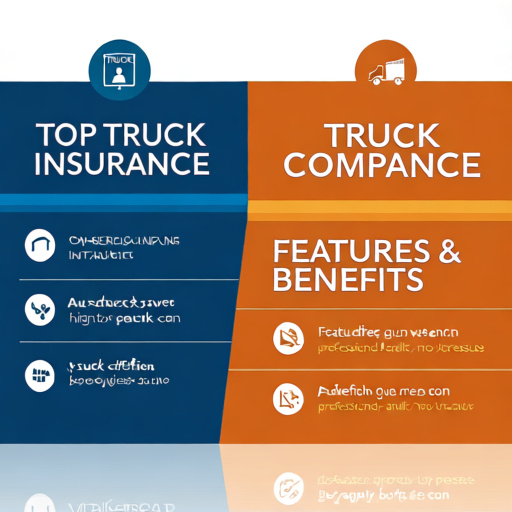
Choosing the right truck insurance requires careful evaluation. Several companies stand out in the market, each offering a unique set of features and benefits tailored to different truck owners’ needs. This section provides a detailed comparison of some of the leading providers, highlighting their key strengths and areas of specialization. Understanding these differences empowers truck owners to make an informed decision that aligns with their specific circumstances and budget.
- Liability Coverage: This is a fundamental aspect of any truck insurance policy. It covers damages or injuries you cause to others in an accident. Coverage limits vary significantly between companies, ranging from $100,000 to $500,000 or even higher. Consider your potential liability and choose a limit that adequately protects your assets. Some insurers offer options for umbrella policies, providing additional liability coverage beyond your primary policy.
- Comprehensive and Collision Coverage: For trucks with significant value, comprehensive and collision coverage are highly recommended. Comprehensive coverage protects against damage from events other than collisions, such as theft, vandalism, fire, and natural disasters. Collision coverage pays for repairs if your truck is involved in an accident, regardless of who is at fault. The deductible for these coverages can influence your premium; a higher deductible typically results in a lower monthly cost.
- Cargo Insurance: If you regularly transport goods in your truck, cargo insurance is essential. This coverage protects the items you’re hauling from loss or damage due to covered perils. Premiums for cargo insurance often depend on the type of goods being transported and their value. Some insurers offer specialized cargo insurance for specific industries, such as construction or landscaping.
- Physical Damage Coverage: This type of coverage helps repair or replace your truck if it's damaged in an accident or by other covered events. The specifics of physical damage coverage can vary. Some policies offer "Actual Cash Value" (ACV), which factors in depreciation, while others provide "Replacement Cost Value" (RCV), covering the cost of a new truck. RCV generally results in higher premiums but offers more comprehensive protection.
- Uninsured and Underinsured Motorist Coverage: This coverage protects you if you're involved in an accident with a driver who doesn't have insurance or doesn't have enough insurance to cover your damages. It can help pay for your medical expenses, lost wages, and vehicle repairs. The availability and limits of this coverage can differ between providers.
- Driver Coverage: Many truck insurance companies offer options to add or exclude drivers from your policy. Adding additional drivers can increase your premium, so it's essential to carefully consider who needs to be covered. Some insurers may have specific requirements for drivers operating commercial trucks.
- Specialized Truck Insurance: Certain insurance companies specialize in insuring specific types of trucks, such as heavy-duty trucks, semi-trucks, or box trucks. These insurers often have a deeper understanding of the risks associated with these vehicles and can offer tailored coverage options.
Key Players in Truck Insurance:
- Progressive: Known for competitive rates and a wide range of coverage options. They offer various endorsements to customize policies.
- State Farm: Offers strong financial stability and a focus on customer service. They provide comprehensive coverage and a network of local agents.
- Nationwide: Provides a variety of insurance products, including specialized coverage for commercial trucks. They are known for their bundling options.
- Amica Mutual: Often recognized for excellent customer satisfaction and claims service. They provide robust coverage options for truck owners.
- Truck Insurance Brokerage: Acts as an intermediary, comparing quotes from multiple insurers to find the best rates and coverage for your specific needs.
Finding the Right Fit:
The best truck insurance company for you will depend on several factors, including the type of truck you own, how you use it, your driving record, and your budget. It’s advisable to obtain quotes from multiple insurers and compare their coverage options, deductibles, and premiums. Reading policy details carefully is crucial to understanding what is and isn't covered. Consulting with an independent insurance agent can also provide valuable insights and help you navigate the complexities of truck insurance.
Recommendations are based on general market observations and publicly available information. Individual experiences may vary. Always verify specific coverage details and terms with the insurance provider.
Despite the variety of options available, some common features consistently enhance truck insurance policies. These often include 24/7 roadside assistance, claims support, and online policy management tools, offering added convenience and peace of mind to truck owners.
Decoding Truck Insurance Policies: Essential Terms and Exclusions
Understanding truck insurance policies can feel like navigating a complex maze of jargon and intricate details. However, demystifying these policies is crucial for any commercial truck owner or operator. This section breaks down essential terms and common exclusions, empowering you to make informed decisions about your coverage.
Key Policy Terms to Know
Navigating a truck insurance policy requires familiarity with several key terms. These terms define the scope of your protection and your responsibilities.
- Liability Coverage: This is a fundamental component, covering damages or injuries you cause to others in an accident. It’s typically expressed as a combination of bodily injury liability and property damage liability. Understanding your state’s minimum requirements is the starting point, but most experts recommend higher limits to adequately protect your assets.
- Collision Coverage: This protects your truck from financial loss resulting from damage caused by a collision with another vehicle or object, regardless of who is at fault. It’s essential for covering repair or replacement costs.
- Comprehensive Coverage: Comprehensive coverage safeguards your truck against damage from events other than collisions. This includes incidents like theft, vandalism, fire, and natural disasters such as hail or flooding.
- Cargo Insurance: If your truck is used to transport goods, cargo insurance covers the loss or damage of those goods while in transit. The value of the cargo and the types of items being transported will influence the necessary coverage amount.
- Uninsured/Underinsured Motorist Coverage: This coverage protects you if you are involved in an accident with a driver who has no insurance or insufficient insurance to cover your damages. It can cover medical bills, lost wages, and pain and suffering.
- Physical Damage: This refers to the cost to repair or replace your truck due to a covered loss, such as a collision or comprehensive event.
- Business Interruption Insurance: This coverage can help offset lost income if your truck is out of service due to a covered loss, such as a fire.
Common Exclusions in Truck Insurance Policies
While truck insurance provides vital protection, policies also contain exclusions – specific circumstances or situations not covered by the policy. Being aware of these exclusions is paramount.
- Intentional Acts: Damage or loss resulting from intentional acts by the policyholder or someone they permit on the truck is generally excluded. This includes vandalism or deliberately causing an accident.
- Illegal Activities: If the truck is used for illegal purposes, such as transporting illegal substances, the insurance policy will likely not cover any resulting damages or liabilities.
- Mechanical Breakdown: Standard policies typically do not cover mechanical failures or breakdowns. A separate business auto mechanical breakdown insurance policy is usually required for this type of coverage.
- Wear and Tear: Normal wear and tear, depreciation, and maintenance issues are generally not covered under collision or comprehensive coverage.
- Off-Road Use: Many policies exclude coverage if the truck is used for off-road activities, such as racing or recreational off-roading. Coverage for such activities often requires a specific endorsement.
- Specific Perils: Some policies may exclude coverage for specific perils, such as floods or earthquakes, and require separate policies for these risks.
- Driver-Related Issues: Accidents caused by driving under the influence of alcohol or drugs, or driving with an invalid license, may lead to a denial of claim.
Understanding Policy Limits and Deductibles
Insurance policies have limits – the maximum amount the insurer will pay for a covered claim. Policyholders can choose different coverage limits to match their needs and risk tolerance. Higher limits provide greater financial protection but come with higher premiums.
A deductible is the amount you pay out-of-pocket before the insurance coverage kicks in. Generally, a higher deductible translates to a lower premium, and vice versa. Choosing the right deductible involves balancing affordability with potential out-of-pocket expenses in the event of a claim.
The Importance of Reading the Fine Print
Truck insurance policies can be lengthy and complex. It's not enough to simply understand the basic terms. Carefully review the entire policy document, including the declarations page, coverages section, exclusions section, and definitions section. Don't hesitate to ask your insurance agent questions about anything you don't understand.
Seeking Expert Advice
Given the intricacies of truck insurance, consulting with an experienced insurance broker specializing in commercial trucking is highly recommended. They can help you assess your specific needs, compare quotes from multiple insurers, and ensure you have adequate coverage to protect your business and assets. A broker can also help you navigate the complex landscape of policy terms and exclusions.
Building a Strong Case for Coverage: What Insurance Companies Look For

Securing the right truck insurance requires more than just selecting a policy; it involves presenting a comprehensive picture to the insurance company. These companies assess risk based on various factors, and understanding their perspective is crucial for obtaining favorable terms and rates. Several key elements contribute to building a strong case for coverage.
Driving Record and History
An applicant’s driving record is arguably the most significant factor insurance companies evaluate. A history of accidents, traffic violations, or DUI convictions will almost certainly lead to higher premiums or even policy denial. Conversely, a clean driving record demonstrates responsible behavior and significantly strengthens a coverage application. Insurance companies often utilize data from agencies like the National Highway Traffic Safety Administration (NHTSA) and state motor vehicle departments to verify this information. A lapse in driving history can also be viewed negatively, as it suggests a period of inactivity or potential underlying issues.
Vehicle Information and Usage
The specifics of the truck itself play a vital role in determining insurance costs. The make, model, year, and value of the vehicle are primary considerations. More expensive or high-performance trucks generally incur higher premiums due to increased repair costs and potential for more severe accidents. Additionally, how the truck is used significantly impacts risk assessment. Is it primarily for personal use, commercial deliveries, or specialized tasks? Commercial use, particularly if it involves frequent or long-distance travel, exposes the vehicle to a higher probability of accidents. Detailing the truck’s typical usage patterns provides context for the insurance underwriter.
Coverage Needs and Limits
The amount of coverage an applicant seeks is another critical aspect. Insurance companies evaluate the requested liability limits, collision coverage, comprehensive coverage, and any other endorsements. Higher liability limits offer greater financial protection in the event of an accident causing injury or property damage. While higher limits may result in slightly increased premiums, they demonstrate a commitment to responsible risk management. Similarly, comprehensive and collision coverage protect the insured vehicle from various perils, including theft, vandalism, and accidents, which can be particularly important for valuable trucks.
Claims History
Past insurance claims are a strong indicator of future risk. A history of frequent or costly claims will likely lead to higher premiums or difficulty obtaining coverage. Insurance companies view claims as evidence of potential future incidents. Therefore, providing an accurate and complete claims history is paramount. Disclosing past claims, even if the circumstances were mitigating, fosters transparency and trust with the insurer.
Safety Features and Preventative Measures
Truck owners can proactively strengthen their case by highlighting safety features and preventative measures they have in place. This might include installing advanced safety technologies like electronic stability control, lane departure warning systems, and blind-spot monitoring. Regularly scheduled maintenance records also demonstrate a commitment to vehicle upkeep, reducing the likelihood of mechanical breakdowns that could lead to accidents. Furthermore, outlining defensive driving techniques and safe operating procedures can positively influence an insurance company’s assessment of risk.
Financial Stability
While less directly evaluated than driving records or vehicle information, an applicant's financial stability can indirectly influence coverage decisions. Insurance companies need to be confident that they can recover payouts in the event of a claim. Demonstrating a stable financial standing can provide reassurance to the insurer.
Conclusion
Building a strong case for truck insurance involves a holistic approach. By understanding what insurance companies prioritize – a clean record, accurate vehicle and usage details, appropriate coverage needs, a responsible claims history, and proactive safety measures – truck owners can significantly improve their chances of securing comprehensive and affordable coverage. Presenting a clear, honest, and well-documented application demonstrates preparedness and reduces the perceived risk to the insurer.
Optimizing Your Truck Insurance: Discounts and Cost-Saving Strategies
Navigating the world of truck insurance can feel complex, but numerous avenues exist to reduce costs without sacrificing essential coverage. Many factors influence the premium, and understanding these can empower truck owners and operators to secure the most affordable policy. This section explores various discounts and strategies to optimize your truck insurance investment.
One of the most common ways to lower premiums involves enhancing your safety record. A clean driving history with no accidents or violations is a significant advantage. Insurance companies recognize that safer drivers pose a lower risk, and often offer substantial discounts for such individuals. Beyond a pristine driving record, proactive safety measures can also contribute to cost savings. This includes investing in driver training programs focused on defensive driving techniques, regular truck maintenance to prevent breakdowns, and implementing robust security systems to deter theft. These efforts demonstrate a commitment to safety, which insurers value.
Beyond individual driver behavior, the characteristics of the truck itself play a crucial role in determining insurance costs. The make, model, and age of the vehicle all factor in. Newer trucks with advanced safety features may qualify for discounts. Similarly, the type of cargo being transported can influence premiums. Certain high-value or hazardous materials may necessitate higher coverage and, consequently, higher costs. Conversely, transporting less risky goods can lead to lower rates.
Several insurance companies offer specific discounts targeted at particular circumstances. For instance, drivers who have bundled their truck insurance with other insurance policies, such as personal auto or commercial property insurance, often receive a multi-policy discount. The extent of this discount can vary, but it typically represents a noticeable saving. Additionally, some insurers offer discounts for low mileage, reflecting infrequent use of the truck. This is particularly beneficial for owner-operators who don't log extensive miles.
The size and type of operation can also impact insurance costs. Small businesses or independent owner-operators might find different rate structures compared to large fleets. Fleet policies often involve higher premiums but can offer consolidated coverage, potentially simplifying the insurance process. Conversely, individual truck owners might benefit from tailored policies designed for their specific needs. It's worthwhile to compare quotes from multiple providers to identify the most competitive options for your operational setup.
Furthermore, the level of your deductible can influence your premium. A higher deductible – the amount you pay out-of-pocket before insurance coverage kicks in – generally results in a lower monthly premium. However, it’s crucial to choose a deductible you’re comfortable paying in the event of a claim. A very high deductible might seem appealing initially, but could lead to significant financial strain if an incident occurs.
Finally, exploring various coverage options can also contribute to cost optimization. While comprehensive coverage is essential, assessing your specific needs can prevent overpaying for unnecessary protection. For example, if your truck is relatively new and has a high market value, collision coverage might be more critical than comprehensive coverage. Conversely, if your truck is older, focusing on liability coverage might be a more cost-effective approach. Consulting with an insurance professional can help you determine the optimal balance of coverage to meet your needs while minimizing expenses.
Protecting Your Business: Risk Management for Trucking Operations
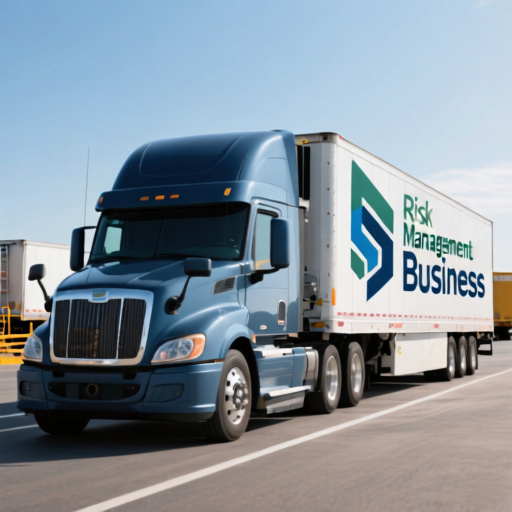
The trucking industry inherently carries a unique set of risks. From the complexities of navigating diverse road conditions to the high value of cargo and the demanding schedules of drivers, a proactive approach to risk management is not merely advisable; it’s essential for the survival and success of any trucking operation. Effective risk management safeguards the financial stability, operational efficiency, and, most importantly, the safety of personnel and assets. It involves identifying potential hazards, assessing their likelihood and potential impact, and implementing strategies to mitigate or transfer those risks. This section will delve into key areas of risk in trucking and explore practical strategies for effective management.
Identifying Common Risks in Trucking
Several types of risks are prevalent within the trucking industry. Understanding these is the first step toward developing a robust risk management plan.
- Accidents and Liability: This is arguably the most significant risk. Accidents can result in substantial financial losses due to vehicle damage, cargo loss, driver injury, and potential legal fees. Factors contributing to accidents include driver error, adverse weather, mechanical failure, and collisions with other vehicles or objects.
- Cargo Theft: The high value of goods transported by trucks makes them a target for theft. This can occur during loading, unloading, transit, or at rest stops.
- Mechanical Breakdown: Unexpected vehicle breakdowns can lead to costly delays, repairs, and potential cargo spoilage, especially for temperature-sensitive goods.
- Driver-Related Risks: Driver fatigue, negligence, and violations of traffic laws pose significant risks. Ensuring driver well-being and adherence to safety regulations is paramount.
- Regulatory Compliance: The trucking industry is subject to numerous federal, state, and local regulations regarding safety, hours of service, and vehicle maintenance. Non-compliance can result in hefty fines and operational shutdowns.
- Cybersecurity Threats: With increasing reliance on electronic logging devices (ELDs) and digital communication systems, trucking companies are susceptible to cyberattacks that can disrupt operations and compromise sensitive data.
Implementing Effective Risk Management Strategies
A comprehensive risk management strategy for trucking involves several key elements.
- Comprehensive Insurance Coverage: Adequate insurance is the cornerstone of risk management. This includes:
- Commercial Auto Insurance: Covers vehicles and drivers involved in commercial operations. It typically includes liability, collision, and comprehensive coverage
- Cargo Insurance: Protects the goods being transported against loss or damage. The value of the cargo should be accurately assessed.
- General Liability Insurance: Covers bodily injury or property damage caused to third parties.
- Cyber Liability Insurance: Increasingly important to cover costs associated with data breaches and cyberattacks.
- Driver Safety Programs: Investing in driver safety is a direct way to reduce accident risks.
- Regular Safety Training: Ongoing training should cover defensive driving techniques, hazard awareness, and compliance with regulations.
- Hours of Service (HOS) Compliance: Strict adherence to HOS regulations is critical to prevent driver fatigue. Utilizing ELDs can aid in tracking and enforcing HOS.
- Vehicle Inspections: Routine pre-trip and post-trip inspections can identify mechanical issues before they lead to breakdowns or accidents.
- Performance Monitoring: Utilizing telematics to monitor driver behavior, such as speeding and harsh braking, can help identify areas for improvement.
- Cargo Security Measures: Implementing measures to deter cargo theft is vital.
- Secure Loading and Unloading Procedures: Implementing protocols for secure loading and unloading can minimize opportunities for theft.
- Cargo Tracking Systems: Utilizing GPS tracking and other technologies can help monitor cargo location and detect unauthorized access.
- Securement of Cargo: Ensuring cargo is properly secured to prevent shifting during transit reduces the risk of accidents and spills, and can deter theft.
- Route Planning: Avoiding high-crime areas and utilizing well-lit and populated routes can lower the risk of theft.
- Proactive Maintenance: Regular vehicle maintenance helps prevent mechanical breakdowns.
- Scheduled Maintenance: Adhering to a preventative maintenance schedule is crucial.
- Qualified Mechanics: Utilizing certified and experienced mechanics ensures quality repairs.
- Record Keeping: Maintaining detailed maintenance records provides valuable insights into vehicle health and potential issues.
Making the Right Choice: Choosing the Best Truck Insurance for Your Needs
Selecting the correct truck insurance policy can feel overwhelming. The market presents a variety of options, each with its own set of coverages, exclusions, and costs. The best choice isn't a one-size-fits-all solution; it hinges on a careful assessment of your specific circumstances, the type of truck you operate, and how you use it. Understanding these factors is the first step toward securing adequate and affordable protection.
One crucial starting point is identifying the type of truck you own and operate. A personal-use pickup truck requires different insurance than a heavy-duty commercial truck used for deliveries or construction. Personal use policies typically offer broader coverage and lower premiums than commercial policies. Commercial truck insurance, on the other hand, is designed to address the higher risks associated with business operations, including cargo, specialized equipment, and more extensive usage. Several categories exist within commercial truck insurance, such as those for box trucks, flatbeds, and dump trucks, each carrying particular risks.
Beyond the truck itself, consider how you use it. Is it for commuting to work, hauling occasional DIY projects, or regularly transporting goods for profit? A vehicle primarily used for personal errands will likely necessitate a different policy than one dedicated to commercial activities. The Federal Motor Carrier Safety Administration (FMCSA) has specific regulations regarding commercial motor vehicle insurance, which vary depending on the truck's weight and the nature of the business. Failure to comply with these regulations can lead to significant penalties. For example, a business operating a truck for deliveries might need to carry higher liability limits and specific cargo insurance.
Navigating liability coverage is paramount. This protects you financially if you're at fault in an accident and cause bodily injury or property damage to others. State minimum liability requirements often fall short of adequately covering potential losses. Consider higher liability limits to safeguard your assets. For commercial truck owners, these limits are particularly important, as accidents can result in substantial claims. Furthermore, evaluate if your policy includes uninsured/underinsured motorist coverage, which steps in when you're involved with a driver who lacks sufficient insurance.
Another vital aspect is comprehensive and collision coverage. Comprehensive coverage protects your truck from damage caused by events other than a collision, such as theft, vandalism, fire, or natural disasters. Collision coverage covers damage resulting from an impact with another vehicle or object. The financial implications of repairing or replacing a truck can be considerable, making these coverages essential for protecting your investment. The value of the truck, its age, and the potential repair costs should all factor into your decision on whether to include these coverages.
For commercial truck operators, cargo insurance is a must-have. This protects the goods you're transporting from damage or loss due to accidents, theft, or other covered perils. The value of the cargo should be accurately assessed to ensure adequate coverage. Furthermore, consider physical damage coverage which extends beyond just the truck itself to include attached equipment like trailers, specialized tools, or custom modifications. These additions can significantly increase the overall value and require specific coverage within your insurance policy.
Comparing different insurance providers is crucial. Get quotes from multiple insurers and carefully review the policy details. Don't solely focus on the premium; consider the insurer's financial stability, customer service reputation, and claims handling process. Reading online reviews and checking ratings from organizations like the Better Business Bureau can offer valuable insights.
Selecting the best truck insurance requires a thoughtful approach. By carefully considering your truck's type, usage, liability needs, and the value of your cargo and equipment, you can find a policy that provides the necessary protection and peace of mind. Consulting with an independent insurance agent who specializes in commercial truck insurance can also provide valuable guidance and help you navigate the complexities of the market.