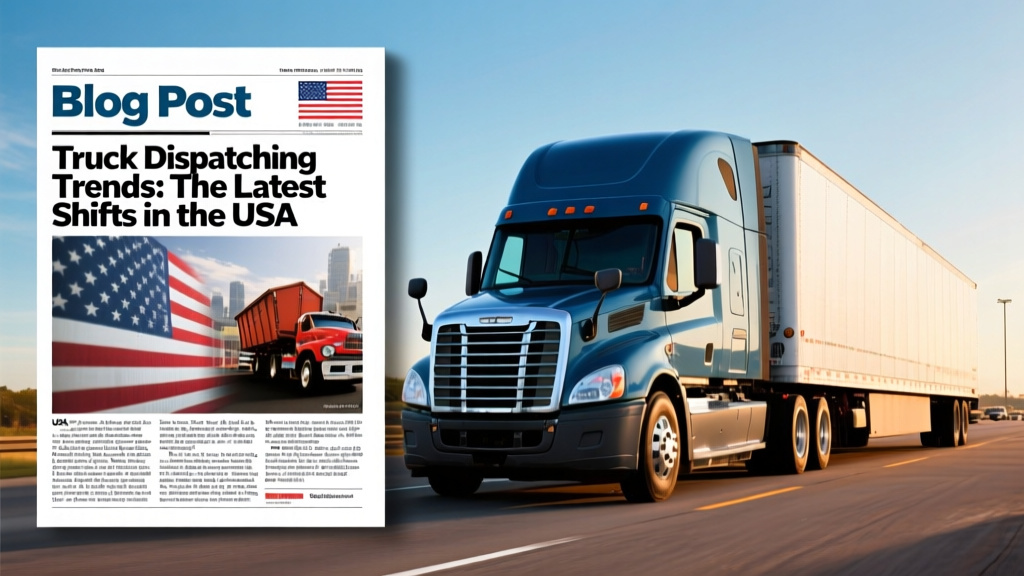
The efficiency of truck dispatching in the United States is undergoing a significant transformation, driven by technological advancements, shifting market demands, and evolving regulatory environments. Historically, dispatching relied heavily on manual processes, phone communication, and paper based systems. Today, a wave of innovation is reshaping how freight is coordinated, impacting everything from route optimization to driver communication and customer service. This section explores the key trends defining this evolving landscape, highlighting the forces shaping the future of the industry.
One of the most prominent shifts is the increasing adoption of Transportation Management Systems, commonly known as TMS. These sophisticated software solutions automate many dispatching tasks, offering real time visibility into truck locations, shipment status, and driver performance. A TMS can optimize routes based on factors like traffic, weather, and delivery deadlines, leading to fuel savings and improved on time delivery rates. Furthermore, many modern TMS platforms integrate with electronic logging devices, known as ELDs, and telematics systems, providing a holistic view of the entire transportation process. According to a recent report by MarketsandMarkets, the global TMS market is projected to reach 15.6 billion dollars by 2028, demonstrating the widespread adoption of this technology. The benefits extend beyond operational efficiency. Real time data empowers dispatchers to proactively address potential issues and provide more accurate estimated times of arrival to customers.
The rise of telematics is another critical trend influencing truck dispatching. Telematics systems, often integrated with TMS, utilize GPS and other sensors to collect data on vehicle performance, driver behavior, and location. This data provides valuable insights for optimizing routes, improving fuel efficiency, enhancing driver safety, and reducing maintenance costs. For example, monitoring driver behavior such as speeding and harsh braking can help companies implement targeted training programs to improve safety and reduce accidents. Furthermore, predictive maintenance capabilities, enabled by telematics data, allow for proactive repairs, minimizing downtime and preventing costly breakdowns. This shift toward data driven decision making is fundamentally changing how dispatchers manage their fleets.
Driver shortages and retention challenges are putting significant pressure on the trucking industry, and dispatching practices are adapting to address these issues. Technology plays a crucial role here, with features like mobile dispatch applications and real time communication tools improving driver communication and reducing administrative burdens. Dispatchers can now easily assign loads, provide updates, and address driver inquiries directly through mobile devices. Improved communication fosters a sense of connection and support, contributing to higher driver satisfaction and retention. Moreover, optimized route planning can help reduce driver fatigue and improve their overall work life balance, further aiding in recruitment and retention efforts. A study by the American Trucking Associations found that driver retention is a top concern for trucking companies, with technology offering a viable solution to improve driver experience.
Furthermore, the increasing emphasis on customer experience is impacting dispatching. Customers now expect real time tracking information, proactive communication, and transparent updates on their shipments. Dispatchers are leveraging technology to meet these expectations. Automated notifications, proactive alerts about potential delays, and online tracking portals empower customers with the information they need, leading to increased satisfaction and loyalty. The ability to provide personalized service, for instance by proactively addressing specific customer needs or preferences, is becoming a key differentiator in the competitive trucking market.
Finally, regulatory changes are continually shaping the dispatching landscape. Regulations related to hours of service, safety, and environmental compliance require dispatchers to adhere to strict guidelines. Technology can assist with compliance by automating record keeping, monitoring driver hours, and ensuring adherence to safety regulations. For example, ELD mandates have significantly impacted dispatch operations, requiring real time tracking and reporting of driver activity. Staying abreast of these evolving regulations and implementing compliant dispatch practices is crucial for avoiding penalties and maintaining operational efficiency.
The future of truck dispatching points toward even greater automation, data analytics, and integration. Artificial intelligence and machine learning are poised to play a larger role in optimizing routes, predicting potential disruptions, and improving overall dispatch efficiency. The seamless integration of various technologies will be paramount, creating a connected and intelligent transportation ecosystem. Companies that embrace these evolving trends will be best positioned to thrive in the dynamic and competitive United States trucking market.
Key Technology Advancements Reshaping Dispatch Operations
The trucking industry is undergoing a significant technological transformation, and dispatch operations are at the forefront of this shift. No longer solely reliant on manual processes and basic communication methods, modern dispatchers are leveraging advanced technologies to optimize routes, enhance communication, and improve overall efficiency. This evolution is not merely incremental. It is fundamentally altering how freight is moved across the USA.
One of the most impactful advancements is the widespread use of GPS tracking and telematics. These systems provide real time visibility into the location and performance of vehicles. Dispatchers can monitor driver behavior, identify potential delays, and proactively address issues before they escalate. Beyond simple location data, telematics devices gather valuable information such as speed, idling time, and harsh braking events. This data enables informed decision making, allowing for improved driver safety, better fuel efficiency, and more effective vehicle maintenance scheduling. A real world example includes a regional trucking company that reduced fuel costs by 15 percent within the first six months of implementing a comprehensive telematics program. This success resulted from identifying inefficient driving habits and optimizing routes based on real time traffic conditions.
Another key driver of change is the adoption of route optimization software. Historically, dispatchers relied on experience and intuition to plan the most efficient routes. Modern software uses advanced algorithms, taking into account real time traffic data, road closures, weather conditions, and vehicle capacity to generate optimal routes. These systems often integrate with mapping services such as Google Maps or HERE Technologies, providing dynamic updates and rerouting capabilities. The benefits are substantial. Efficient route planning reduces fuel consumption, minimizes mileage, and improves on time delivery performance. A study by Trimble found that companies using route optimization software experience an average reduction of 10 to 15 percent in fuel costs. In addition, these platforms frequently offer features such as automated dispatching and load matching, which streamline workflow and reduce administrative workload.
The growth of cloud based dispatching platforms is also transforming operations. These platforms provide a centralized system for managing all aspects of dispatch, including load booking, driver communication, and invoicing. Cloud solutions offer scalability, accessibility, and improved collaboration. Dispatchers can access critical information from any location with an internet connection, enabling faster communication and quicker response times. This is especially beneficial for companies operating fleets across multiple regions. Furthermore, cloud platforms often integrate with transportation management systems, creating a seamless flow of information and reducing isolated data systems.
Mobile applications are empowering both dispatchers and drivers. Drivers can receive route assignments, update their status, and communicate with dispatch in real time through mobile applications. Dispatchers can use these applications to send instant messages, assign new loads, and monitor driver progress. This improves communication, reduces reliance on phone calls, and enhances overall responsiveness. A practical example is a trucking company using a mobile application that allows drivers to capture proof of delivery with photos and digital signatures directly from their smartphones. This removes paperwork and simplifies the billing process.
Artificial intelligence and machine learning are beginning to play a greater role in dispatch operations. Artificial intelligence powered tools can analyze historical data to forecast demand, optimize driver schedules, and identify potential risks. Machine learning algorithms learn from past performance to continuously improve routing efficiency and minimize delays. Although still in the early stages of adoption, artificial intelligence holds significant potential for optimizing complex dispatch scenarios. For example, artificial intelligence can analyze weather patterns and traffic forecasts to proactively adjust routes and prevent disruptions.
Finally, the integration of electronic logging devices is essential for regulatory compliance and operational efficiency. Electronic logging devices automatically track driver hours of service, ensuring compliance with federal regulations. This reduces the risk of fines and penalties while also improving driver safety and lowering administrative workload for dispatchers. The mandatory implementation of electronic logging devices in the United States has accelerated the adoption of digital technologies throughout the trucking industry.
The Rise of Data Analytics and Predictive Modeling in Trucking
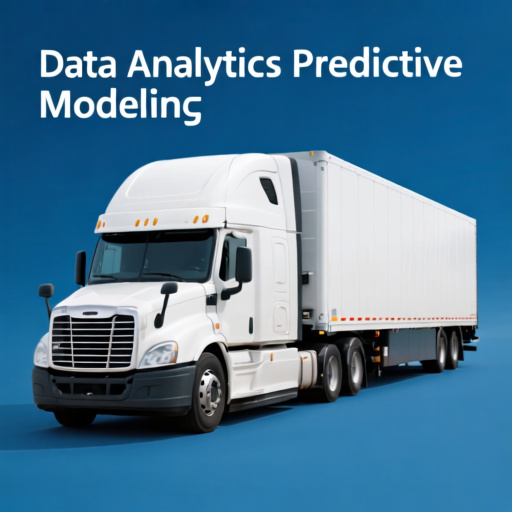
The trucking industry is undergoing a significant transformation, driven in large part by the increasing availability of data and advancements in analytical tools. For decades, dispatching relied heavily on experience and intuition. However, the complexities of modern logistics, including fluctuating fuel costs, unpredictable weather patterns, strict delivery deadlines, and evolving regulations, require a more advanced approach. The rise of data analytics and predictive modeling is enabling that evolution, offering trucking companies valuable opportunities to optimize operations, improve efficiency, and increase profitability.
At the center of this transformation is the massive volume of data generated throughout the transportation process. Telematics systems installed in trucks continuously collect information about vehicle location, speed, fuel consumption, engine performance, and driver behavior. This information, often described as the Internet of Things data within trucking, provides insights that were previously unavailable. In addition to telematics, companies are using data from other sources such as weather forecasts, traffic reports, market demand trends, and historical shipment records. This integrated data environment creates a strong foundation for meaningful analysis.
One of the earliest and most influential applications of data analytics in trucking is route optimization. Traditional route planning typically depends on static maps and historical averages. Data driven route optimization tools evaluate real time traffic conditions, road closures, weather forecasts, and even vehicle specific characteristics to determine the most efficient routes. This results in lower fuel consumption, reduced maintenance expenses, and faster delivery times. Companies such as UPS have successfully implemented advanced route optimization algorithms, achieving significant fuel savings and improved operational efficiency. These improvements also help reduce driver fatigue by limiting unnecessary mileage and optimizing rest stop planning.
Predictive modeling builds upon route optimization by using historical data and current patterns to forecast potential challenges. Predictive models can anticipate delays, identify routes with higher risk, and estimate when maintenance will be required. For example, analyzing engine performance data can indicate when a vehicle is likely to need service, allowing companies to schedule repairs in advance and prevent costly breakdowns. Forecasting disruptions caused by weather or traffic congestion enables dispatchers to adjust routes proactively and inform customers about possible delays, improving service reliability. This capability is especially valuable for companies handling time sensitive shipments or critical deliveries.
Data analytics is also transforming driver performance management. Telematics data offers insights into behaviors such as speeding, harsh braking, and excessive idling. By analyzing this information, companies can identify improvement areas, provide targeted training, and enhance overall safety. In addition, analytics can support better driver retention. Understanding factors that influence driver satisfaction, including route efficiency, workload balance, and communication support, allows companies to address concerns and create a more positive working environment.
Implementing these technologies requires thoughtful planning and a strategic approach. Organizations must invest in reliable data management systems, including data storage solutions and analytics platforms. Skilled professionals who can interpret data and convert insights into practical strategies are equally important. However, cloud based solutions are making advanced analytics tools more accessible, even for smaller trucking companies, by lowering initial investment requirements. Research by McKinsey and Company suggests that companies effectively using data analytics in logistics can achieve operating cost reductions of 10 to 15 percent.
Data analytics and predictive modeling have become essential tools for trucking companies seeking a competitive advantage. They represent a fundamental shift toward a proactive and information driven operational model. As data sources expand and analytical technologies continue to advance, the opportunities for efficiency improvements and performance optimization will grow even further. The future of trucking is closely connected to the intelligent use of data.
Optimizing Driver Management and Retention Strategies
The trucking industry faces a persistent challenge: attracting and retaining qualified drivers. This directly impacts dispatch efficiency, operational costs, and overall business success. Optimizing driver management goes beyond simply scheduling routes. It requires a comprehensive approach that combines technology, communication, and a strong focus on employee well being. Effective strategies are essential in a market where driver shortages continue to pose serious concerns.
One major opportunity for improvement lies in the use of Transportation Management Systems. A well implemented TMS provides real time visibility into driver location, vehicle status, and shipment progress. This enables dispatchers to adjust routes proactively, respond quickly to unexpected delays, and improve overall delivery performance. Modern TMS platforms often include automated route optimization, integration with electronic logging devices, and built in driver communication tools. These features streamline operations and reduce administrative workload. For example, a logistics company using a TMS reported a 15 percent reduction in dispatch time and a 10 percent increase in on time delivery rates within six months. Beyond operational gains, better transparency and communication help drivers feel more informed and supported, reducing frustration.
Clear and consistent communication plays a vital role in driver satisfaction and retention. Communication is not limited to sharing delivery instructions. It involves building trust and maintaining a sense of partnership between drivers and dispatch teams. Many companies now use mobile communication applications that allow two way messaging. Dispatchers can provide updates, answer questions, and address concerns quickly. Giving drivers access to important information such as weather conditions, traffic updates, and potential route hazards demonstrates a commitment to their safety. This proactive communication reduces stress and improves morale. Research by the American Trucking Associations shows that drivers who feel supported and well informed are significantly less likely to leave their employers.
Retention strategies must also address broader employment factors. Competitive compensation and benefits remain important, but they are no longer the only deciding elements. Successful companies offer strong pay packages combined with health coverage, retirement plans, and paid leave. At the same time, work life balance and opportunities for career growth are becoming increasingly important. Flexible scheduling options, when possible, and access to professional development programs help drivers see long term value in staying with a company.
Creating a positive work environment is equally critical. Recognizing achievements, encouraging respectful workplace culture, and actively seeking driver feedback all contribute to stronger engagement. Regular surveys and open communication channels allow management to understand driver concerns and respond proactively. Building a sense of community through meetings, appreciation events, or online groups strengthens connection and loyalty. Many organizations implement driver recognition programs that celebrate milestones such as safe driving records or consistent delivery performance. Even simple acknowledgment can significantly boost morale.
Technology continues to enhance driver management efforts. In addition to TMS and communication platforms, fleet monitoring systems provide detailed information about driver behavior, including speeding, harsh braking, and excessive idling. This data supports targeted safety training and helps improve fuel efficiency. Combining telematics data with performance metrics allows for informed decisions about assignments and advancement opportunities. However, companies must handle this data responsibly by addressing privacy concerns and maintaining transparency to build trust.
Prioritizing driver safety remains both a moral obligation and a sound business strategy. Investing in safety training, offering wellness resources, and promoting healthy driving practices reduce accident rates and insurance costs while improving operational stability. Taking a holistic approach that values the human side of trucking ensures that driver well being remains central to business success. Ultimately, companies that support and empower their drivers position themselves for stronger performance and long term growth.
Navigating Regulatory Changes and Compliance Challenges

The trucking industry in the United States operates within a complex and constantly changing regulatory environment. Truck dispatchers and companies must adapt to ongoing updates that influence operations, efficiency, and profitability. Understanding these regulatory shifts is not optional. It is essential for long term stability and growth. This section explores the key compliance areas that are currently shaping the industry.
One of the most impactful areas involves driver safety regulations overseen by the Federal Motor Carrier Safety Administration. This agency frequently updates rules related to hours of service, drug and alcohol testing, and vehicle maintenance standards. Adjustments to hours of service requirements, along with the mandatory use of electronic logging devices, aim to improve accuracy and reduce manual record keeping. Compliance is critical, as violations can result in heavy fines or even operational shutdowns. Dispatchers must closely monitor driver activity and use integrated systems that automatically detect potential violations so corrective action can be taken before penalties occur.
Environmental regulations are also becoming increasingly significant. Pressure to reduce carbon emissions has led to stricter standards for fuel efficiency and vehicle emissions. The Environmental Protection Agency has introduced greenhouse gas regulations that encourage fleet operators to invest in cleaner and more efficient vehicles. This shift requires dispatchers to focus on fuel conscious route planning and reduced mileage strategies. At the same time, many states offer incentives such as tax credits or grants for companies adopting alternative fuel technologies, creating opportunities for cost savings and sustainability improvements.
Data privacy and cybersecurity have emerged as additional compliance priorities. As dispatch operations rely more heavily on digital systems, companies collect and store large volumes of driver and operational data. Laws such as the California Consumer Privacy Act expand individual rights over personal information and require businesses to implement stronger data protection measures. Trucking companies must secure telematics platforms, electronic logging systems, and internal databases to prevent breaches. A security failure can result in financial losses, legal consequences, and reputational damage, making proactive cybersecurity practices essential.
Vehicle safety inspections remain another important regulatory component. The National Highway Traffic Safety Administration, along with state authorities, enforces safety standards to ensure commercial vehicles operate safely on public roads. Dispatchers play a direct role in maintaining compliance by scheduling preventive maintenance, documenting inspections, and ensuring timely repairs. Failing inspections can lead to operational delays, fines, or restrictions that disrupt business continuity.
To manage these evolving requirements effectively, companies are increasingly turning to technology. Telematics systems provide real time data on vehicle performance, fuel consumption, and driver behavior, supporting proactive compliance monitoring. Automated reporting tools simplify regulatory documentation and reduce administrative workload. By investing in digital compliance solutions, companies can lower the risk of penalties and improve operational transparency.
Remaining informed is equally critical. Industry associations, regulatory agencies, and legal advisors offer updates and guidance on changing requirements. Continuous education for drivers and dispatch personnel strengthens organizational awareness and builds a culture of compliance. When compliance becomes part of everyday operations rather than a reactive measure, companies are better prepared to navigate regulatory complexity.
The regulatory landscape of the trucking industry will continue to evolve. Businesses that prioritize adaptability, invest in technology, protect sensitive data, and maintain awareness of regulatory developments will be best positioned for sustainable success. In today’s environment, effective compliance management is not merely a competitive advantage. It is a fundamental necessity for operating responsibly and profitably in the modern trucking sector.
Future Proofing Your Truck Dispatch Business: Emerging Trends
The trucking industry is undergoing a rapid transformation, driven by technological advancements and evolving market demands. Truck dispatch businesses must adapt to remain competitive. Several emerging trends are poised to reshape the landscape, impacting efficiency, customer experience, and overall profitability. Understanding and strategically implementing these shifts will be crucial for future success.
One significant trend is the increasing adoption of Artificial Intelligence (AI) and Machine Learning (ML). AI is no longer a futuristic concept; it’s actively being integrated into dispatch operations. AI powered route optimization software analyzes real time data – including traffic conditions, weather patterns, and driver availability – to identify the most efficient routes. This translates to reduced fuel consumption, lower operational costs, and faster delivery times. Furthermore, AI can assist with predictive maintenance, identifying potential vehicle issues before they lead to breakdowns, minimizing downtime. For instance, companies are utilizing ML algorithms to forecast demand fluctuations, allowing for proactive resource allocation and preventing delays.
Beyond route optimization, AI is enhancing customer communication. Chatbots are providing instant support to drivers and customers, answering queries regarding shipment status and schedules. This 24/7 availability improves customer satisfaction and frees up human dispatchers to handle more complex issues. The ability to analyze vast datasets also allows for more accurate load matching, connecting shippers with the most suitable carriers based on factors like equipment type, location, and preferred rates. This precision leads to fewer empty miles and increased revenue for dispatch companies.
Another key development is the rise of Internet of Things (IoT) devices and connected vehicles. Telematics systems, a core component of IoT in trucking, provide real time data on vehicle performance, driver behavior, and cargo conditions. This data empowers dispatchers with enhanced visibility and control over their operations. Real time location tracking allows for proactive adjustments to routes in response to unforeseen circumstances. Moreover, sensors monitoring cargo temperature and humidity ensure the integrity of sensitive shipments, mitigating risks and potential financial losses. Data from these devices also enables valuable insights into driver performance, facilitating safety improvements and optimizing driving habits.
The demand for enhanced data analytics is also growing rapidly. Dispatching generates enormous amounts of data. Utilizing business intelligence tools to analyze this data can reveal hidden patterns and opportunities. Dispatchers can identify bottlenecks in their operations, evaluate the performance of individual drivers and carriers, and make data driven decisions to improve efficiency and profitability. For example, analyzing historical data can help predict peak demand periods and proactively allocate resources. This data driven approach moves dispatch from reactive to proactive, leading to significant operational improvements.
Furthermore, the industry is seeing a push towards greater automation. Automated dispatch systems can handle routine tasks such as load assignment and scheduling, freeing up human dispatchers to focus on more strategic initiatives. This includes automated compliance checks, ensuring adherence to regulations and reducing the risk of penalties. While complete automation is still some way off for many dispatch operations, the implementation of automated tools is becoming increasingly prevalent, streamlining workflows and improving overall efficiency. A freelance photographer using Astra theme launched their portfolio in under an hour. Similarly, automation in dispatch can significantly reduce manual workload.
Finally, the focus on driver well being and retention is influencing dispatch strategies. Modern dispatch systems are integrating features designed to improve driver satisfaction, such as optimized routes that minimize driver fatigue and real time communication tools that facilitate seamless interaction with dispatch. Providing drivers with better tools and support can improve retention rates, a significant challenge in the current trucking industry. This not only reduces recruitment costs but also ensures a more experienced and reliable workforce.
These trends are not mutually exclusive; rather, they often converge to create synergistic benefits. Truck dispatch businesses that embrace these emerging technologies and adapt their strategies accordingly will be well positioned to thrive in the evolving trucking landscape.