Learn the key differences between Truck Dispatching vs Freight Brokering! Discover the role of a Truck dispatcher vs freight broker and explore Trucking dispatch vs freight brokerage, including salary comparison. #truckload #logistics
Table of Content
- Truck Dispatching vs. Freight Brokerage: Defining Roles and Responsibilities
- Understanding the Core Processes of Truck Dispatching
- The Business Model and Operational Flow of Freight Brokerage
- The Value Proposition for Shippers
- The Value Proposition for Carriers
- Comparing Costs, Benefits, and Risk Factors: Dispatching vs. Brokerage
- Truck Dispatching
- Freight Brokerage
- Key Differences at a Glance
- Choosing the Right Option for Your Logistics Needs: A Decision Framework
- Understanding the Core Difference: A Quick Recap
- Assessing Your Current Logistics Landscape
- The Decision Framework: A Step by Step Approach
- The Role of Technology
- When to Choose Truck Dispatching
- When to Choose Freight Brokering
- Emerging Trends and Future of Truck Dispatching and Freight Brokerage
- Frequently Asked Questions
Truck Dispatching vs. Freight Brokerage: Defining Roles and Responsibilities
Understanding the distinction between truck dispatching and freight brokerage is crucial for businesses operating within the logistics and transportation industry. While both roles involve coordinating the movement of goods, their responsibilities, business models, and overall functions differ significantly. This section explores these differences in detail, clarifying the unique contributions of each.
Truck dispatching typically operates within a single trucking company. Dispatchers are primarily responsible for managing the drivers within their fleet. Their day to day tasks often involve assigning loads to drivers, monitoring their location and progress, and ensuring timely delivery. A dispatcher focuses on the operational efficiency of the company's trucks and drivers. They handle issues that arise during a shipment, such as unexpected delays or mechanical problems, aiming to keep the transportation process running smoothly. The core goal is to maximize the utilization of the company’s assets – the trucks and the drivers – to complete deliveries effectively and profitably. Dispatchers often leverage GPS tracking and communication systems to maintain real time visibility into their fleet’s activities.
Freight brokerage, on the other hand, functions as a third party intermediary. Freight brokers do not own or operate trucks. Instead, they connect shippers (those needing to transport goods) with carriers (trucking companies or owner operators with available capacity). Brokers act as matchmakers, negotiating rates and terms between the two parties. The broker's responsibility lies in finding the best carrier for a shipper's needs, considering factors like price, delivery timeframe, and equipment type. A freight broker’s success hinges on building a strong network of both shippers and carriers. They spend a significant amount of time marketing loads to carriers and marketing available capacity to shippers. This requires strong communication, negotiation, and market knowledge.
Here's a breakdown of key differences:
- Asset Ownership: Dispatchers work for a company that owns its trucks; brokers do not own any assets.
- Primary Focus: Dispatching centers on operational efficiency within a fleet; brokerage focuses on connecting shippers and carriers.
- Revenue Model: Dispatchers receive a salary; brokers earn a commission on each shipment.
- Risk Exposure: Trucking companies (with dispatchers) bear the direct financial risk of vehicle maintenance, fuel costs, and driver expenses; brokers have less direct financial risk but rely on successful match making.
- Scope of Responsibility: Dispatching encompasses the entire transportation process for shipments handled by their company; brokerage focuses solely on the arrangement of transportation between shippers and carriers.
The regulatory landscape also differs for each role. Dispatchers are subject to regulations related to driver hours of service, vehicle safety, and compliance with federal motor carrier regulations (FMC). Brokers are subject to regulations related to their role as intermediaries, including licensing requirements and surety bonds in some jurisdictions. Maintaining compliance is a critical aspect of both roles.
As the logistics industry continues to evolve, the lines between dispatching and brokerage can sometimes blur. Some larger trucking companies may offer brokerage services as an additional revenue stream, while some brokerages may develop their own network of carriers to ensure capacity and control over the delivery process. However, the fundamental distinctions in their core functions and business models remain.
Ultimately, both truck dispatching and freight brokerage play vital roles in the supply chain. The choice between engaging a dispatcher or working with a broker depends on a company’s specific needs and resources. Businesses requiring full operational control and consistent service levels may opt for a trucking company with a strong dispatch team. Those seeking flexibility, access to a wider network of carriers, and streamlined logistics management often find freight brokerage to be the more suitable solution.
Understanding the Core Processes of Truck Dispatching
Truck dispatching is the backbone of efficient freight movement. It’s a multifaceted process involving several key stages, each crucial for ensuring timely and cost effective delivery. At its core, truck dispatching focuses on connecting shippers with available truck drivers and managing the entire transportation lifecycle. Understanding these core processes is fundamental to grasping the differences between dispatching and freight brokering.
One of the initial and vital steps in truck dispatching is load acquisition. Dispatchers actively seek out available freight opportunities. This can involve direct communication with shippers, utilizing online freight marketplaces, or maintaining relationships with various businesses requiring transportation services. The dispatcher assesses the details of each load – origin, destination, weight, dimensions, and required delivery timeframe – to determine if it aligns with their network of drivers and equipment.
Once a suitable load is identified, the next process is driver assignment. This is where the dispatcher’s organizational skills and knowledge of their driver network come into play. They consider factors such as driver location, equipment type, availability, and preferred routes. Dispatchers aim to match the right driver with the right load, optimizing for efficiency and minimizing potential delays. This often involves navigating complex scheduling and ensuring drivers comply with hours of service regulations mandated by the Federal Motor Carrier Safety Administration (FMCSA).
Route planning and optimization are also central to the dispatching process. Dispatchers utilize mapping software and real time traffic data to determine the most efficient routes for drivers. This not only saves time and fuel but also enhances safety. They factor in potential road closures, weather conditions, and any specific delivery instructions provided by the shipper. Effective route planning significantly impacts the overall cost and timeliness of the shipment.
Throughout the transportation process, real time tracking and communication are essential. Dispatchers maintain constant contact with drivers to monitor their progress, address any issues that may arise, and provide updates to shippers. This often involves utilizing GPS tracking systems and communication technologies like mobile apps. Prompt communication is key to proactively managing potential disruptions and ensuring transparency with all parties involved.
Delivery confirmation marks the final stage of the dispatching process. Dispatchers verify that the shipment has arrived at its destination and that any necessary documentation is completed. This often includes obtaining proof of delivery from the driver and ensuring the shipper is satisfied with the service provided. Accurate delivery confirmation is crucial for billing and maintaining a high level of customer service.
The technology used in truck dispatching has evolved significantly. Modern dispatch systems often incorporate features such as:
- GPS tracking: Provides real time location data of vehicles.
- Route optimization tools: Helps determine the most efficient routes.
- Communication platforms: Facilitates seamless communication between dispatchers and drivers.
- Electronic Logging Devices (ELDs): Automates the recording of driver hours of service.
The Business Model and Operational Flow of Freight Brokerage
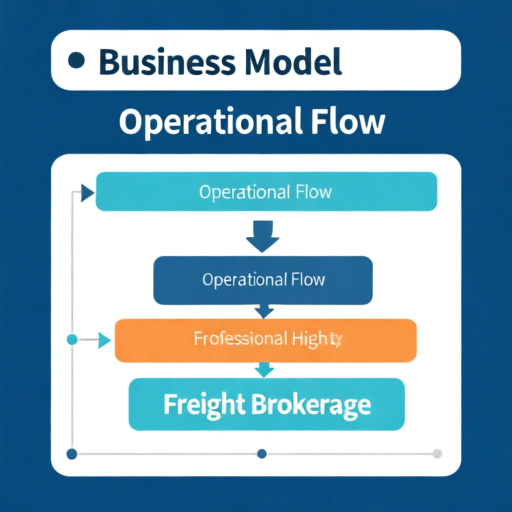
Freight brokerage operates as a crucial intermediary in the transportation industry, connecting businesses with available trucking capacity. Unlike truck dispatching, which typically involves a single trucking company managing its own fleet, freight brokers act as independent agents, facilitating shipments between shippers and carriers. Their business model centers on earning a fee for arranging freight transportation. This fee, known as a brokerage fee, is typically a percentage of the shipping cost or a flat rate, paid by either the shipper or the carrier, or split between them.
The core of a freight broker's operation involves a multi step process. It begins with the shipper requesting a quote for their freight. This initial interaction often involves the shipper providing details about the cargo, including its type, weight, dimensions, origin, and destination. The broker then leverages their network of carrier partners – a vast database of trucking companies – to find a suitable carrier for the load. This is where expertise in the industry truly shines. Brokers understand market rates, carrier reputations, and the nuances of different freight types.
The broker doesn't own trucks or employ drivers. Their value proposition lies in their ability to efficiently match shippers with carriers, handling the complexities of the transaction. This includes negotiating rates, managing paperwork (like bills of lading), and coordinating the pickup and delivery process. A significant aspect of their operational flow involves constant communication with both the shipper and the carrier, ensuring transparency and addressing any potential issues that may arise. For instance, if a carrier is delayed, the broker acts as a liaison to update the shipper and find a resolution.
Technology plays an increasingly vital role in modern freight brokerage. Many brokers utilize sophisticated Transportation Management Systems (TMS) to streamline their operations. These systems automate tasks like rate shopping, load matching, tracking shipments, and generating invoices. Furthermore, online platforms connect shippers and brokers directly, fostering efficiency and providing real time visibility into the shipping process. According to industry reports, the adoption of TMS systems among freight brokers has steadily increased in the past decade, demonstrating the industry's embrace of technology to enhance productivity and customer service.
Building and maintaining a strong network of both shippers and carriers is fundamental to a freight broker's success. This involves consistent outreach, fostering trust, and providing excellent service. Brokers often specialize in particular types of freight or specific geographic regions, allowing them to develop deeper expertise and build stronger relationships within those niches. They must also stay abreast of constantly evolving regulations and market conditions, including fuel surcharges, detention fees, and hours of service rules. Failure to do so can result in financial penalties and operational disruptions.
The regulatory landscape for freight brokers is governed by the Federal Motor Carrier Safety Administration (FMCSA). Brokers are required to be licensed and comply with specific safety and insurance requirements. These regulations aim to ensure the safety and security of freight transportation. Understanding and adhering to these rules is a non negotiable aspect of the freight brokerage business. The FMCSA’s website provides comprehensive information on broker regulations and compliance.
The Value Proposition for Shippers
Shippers benefit significantly from using freight brokerage services. They gain access to a broader network of carriers than they could typically access on their own, potentially leading to more competitive pricing. Brokers handle the time consuming tasks of finding, negotiating with, and managing carriers, freeing up shippers to focus on their core business operations. This is particularly beneficial for businesses that don't have the resources or expertise to manage their own transportation logistics. The flexibility offered by freight brokers is another key advantage, particularly for companies with fluctuating shipping needs.
The Value Proposition for Carriers
For carriers, freight brokers provide a consistent stream of loads, helping them maximize their truck utilization and revenue. Brokers handle the complexities of finding profitable loads and managing paperwork, allowing carriers to focus on driving. This can be especially valuable for owner operators who may lack the time or resources to actively seek out new business. Furthermore, brokers often provide quicker payment terms compared to direct shipper contracts. A broker acts as a reliable partner, streamlining the process of finding and securing freight.
Comparing Costs, Benefits, and Risk Factors: Dispatching vs. Brokerage
The choice between truck dispatching and freight brokerage represents a fundamental decision for businesses involved in the trucking industry. Both facilitate the movement of goods, but they operate with distinct models, impacting costs, benefits, and potential risks. Understanding these differences is crucial for selecting the optimal approach to meet specific logistical needs.
Truck Dispatching
Truck dispatching typically involves a company employing its own fleet of trucks and drivers. The dispatch team's primary responsibility is to manage these resources efficiently, assigning loads to available drivers and ensuring timely deliveries.
- Costs: The initial investment in truck dispatching is substantial. Businesses must acquire or lease a fleet of trucks, cover maintenance, fuel, insurance, and driver salaries. Ongoing operational costs, including technology for load management and driver communication, also contribute to the financial burden. However, in the long run, a dedicated fleet can offer predictable costs for consistent shipping needs.
- Benefits: A primary advantage of dispatching is greater control over the transportation process. Companies can maintain consistent service quality, implement specific operational procedures, and build strong relationships with their drivers. This direct oversight can lead to enhanced reliability and potentially lower costs for high volume, predictable shipments. Furthermore, dispatching allows for direct communication and issue resolution, fostering a more responsive logistical chain.
- Risk Factors: Dispatching carries significant financial risk. Unexpected maintenance issues, fuel price volatility, driver shortages, and regulatory changes can significantly impact profitability. A substantial upfront investment creates a considerable barrier to entry, and managing a large fleet requires robust operational expertise. For example, a sudden surge in fuel prices could dramatically increase operating expenses, potentially affecting profit margins.
Freight Brokerage
Freight brokerage acts as an intermediary between shippers (those needing to transport goods) and carriers (trucking companies with available capacity). Brokers do not own trucks or employ drivers; instead, they leverage a network of carriers to find the best available transportation options for their clients.
- Costs: The cost of using a freight broker is typically a percentage of the shipping rate, a flat fee, or a combination of both. This fee is usually transparent and doesn’t involve the large capital expenditures associated with owning a fleet. Operational costs for brokers primarily include technology platforms to connect shippers and carriers, marketing expenses to acquire clients, and the salaries of their brokerage staff. The flexibility of this cost structure makes it attractive for businesses with variable shipping needs.
- Benefits: Freight brokerage offers significant flexibility and scalability. Businesses can access a wide range of carriers, ensuring competitive pricing and capacity availability. Brokers handle the complexities of finding suitable carriers, negotiating rates, and managing paperwork, freeing up shippers to focus on their core business. This model is particularly beneficial for businesses with infrequent or specialized shipping requirements. According to industry reports, freight brokers facilitate over 70% of all freight shipments in the United States.
- Risk Factors: While less capital intensive, freight brokerage involves risks related to carrier selection and performance. Brokers must carefully vet carriers to ensure they are reliable and maintain adequate insurance. The broker is responsible for ensuring that the carrier complies with all relevant regulations. Furthermore, fluctuations in market rates and capacity can impact profitability. A broker’s reputation is directly tied to the performance of the carriers they work with, making thorough due diligence paramount.
Choosing the Right Option for Your Logistics Needs: A Decision Framework
Selecting between truck dispatching and freight brokering isn't a one size fits all decision. It significantly impacts a business's efficiency, cost structure, and overall logistical capabilities. To make an informed choice, businesses should carefully evaluate their specific requirements and operational scale. This section outlines a comprehensive decision framework to guide that process.
Understanding the Core Difference: A Quick Recap
Before diving into the framework, a brief reminder of each option is beneficial. Truck dispatching involves a company managing its own fleet of vehicles and drivers. This offers greater control over operations, driver quality, and asset utilization. Freight brokering, on the other hand, acts as an intermediary, connecting shippers with independent carriers. Brokers leverage their network to find suitable transportation options. The key distinction lies in asset ownership and operational responsibility.
Assessing Your Current Logistics Landscape
The first step involves a thorough assessment of the existing logistics setup. Consider these questions:
- Volume of Shipments: The number of shipments per month or year is a crucial factor. A company handling a high volume of consistent shipments might lean towards dispatching. Conversely, a business with sporadic or variable shipping needs often benefits from a broker's flexibility.
- Fleet Size: Do you own a significant fleet of trucks, or are you just starting out? Dispatching is practical if a fleet already exists. Building a fleet from scratch involves considerable capital investment and ongoing maintenance expenses.
- Geographic Scope: What is the typical distance and geographic range of your shipments? Brokers often have broader networks, especially for long haul or specialized routes. Dispatching might be more suitable for regional or local deliveries.
- Level of Control Required: How much control does the business need over the transportation process – driver selection, route optimization, and real time tracking? Dispatching provides maximum control.
- Budget Constraints: What is the allocated budget for transportation? Freight brokering can offer cost advantages in certain situations due to competitive carrier rates. Dispatching involves consistent fixed costs related to fleet management.
- Specialized Needs: Are there unique requirements like temperature controlled transport, oversized cargo, or hazardous materials handling? Both dispatchers and brokers can specialize, but finding a broker with a strong network for niche services can be advantageous.
The Decision Framework: A Step by Step Approach
A structured approach helps to navigate the complexities.
- Define Your Shipping Requirements: Document the frequency, volume, types of goods, and destinations of all shipments. This detailed data forms the foundation for the decision.
- Assess Operational Capabilities: Honestly evaluate the company's ability to manage a fleet, including compliance with regulations (e.g., Hours of Service), driver recruitment, and technology implementation (e.g., telematics).
- Consider Risk Tolerance: Assess the risk associated with each option. Dispatching involves higher financial risk related to asset depreciation and maintenance. Brokering shifts some of that risk to the carrier.
- Develop a Pro Forma Budget: Create a projected budget for both dispatching and freight brokering scenarios. This helps to visualize the potential financial implications.
- Factor in Scalability: Think about future growth. Which option allows for easier scaling as the business expands? A broker can readily adapt to increased volume by leveraging their network.
- Research and Vet Potential Partners: If leaning towards brokering, thoroughly research and vet potential freight brokers. Check their licensing, insurance, and reputation. If considering dispatching, assess potential staffing needs and technology requirements.
The Role of Technology
Technology plays a vital role in both dispatching and brokering. Dispatching often relies on fleet management software for route planning, GPS tracking, and communication. Brokers utilize online platforms to connect shippers with carriers, manage quotes, and track shipments. For example, According to W3Techs data from October 2024, approximately 43.4% of websites utilize some form of content management system, highlighting the importance of technology in managing logistics operations effectively.
When to Choose Truck Dispatching
Businesses should consider truck dispatching when:
- Maintaining direct control over the transportation process is paramount.
- Consistent, high volumes of shipments are anticipated.
- Specialized transportation needs require close monitoring.
- A long term investment in transportation assets is feasible and strategic.
When to Choose Freight Brokering
Freight brokering is often the better choice when:
- Shipping volumes are variable or unpredictable.
- Cost optimization is a primary concern.
- Access to a broad network of carriers is needed.
- The business lacks the resources for fleet management.
Emerging Trends and Future of Truck Dispatching and Freight Brokerage
The landscape of truck dispatching and freight brokerage is undergoing a rapid transformation, driven by technological advancements, evolving industry demands, and increasing pressure for efficiency and transparency. Several emerging trends are poised to reshape these vital components of the supply chain.
One significant shift is the increasing adoption of artificial intelligence (AI) and machine learning (ML). While initially used for basic route optimization, AI is now being integrated into more complex areas such as predictive analytics for freight demand, automated load matching, and even driver safety monitoring. For instance, ML algorithms can analyze historical data to forecast potential delays based on weather patterns, traffic congestion, and other factors, allowing dispatchers to proactively adjust routes and minimize disruptions. Platforms utilizing AI are also demonstrating the potential to reduce empty miles – trips where trucks travel without a load – a significant cost for carriers. A study by Truckstop.com found that optimized routing, often powered by AI, can lead to a 15 20% reduction in fuel costs. This moves beyond simple software; it’s about intelligent systems learning and adapting.
Beyond AI, the rise of Internet of Things (IoT) devices is providing real time visibility into the entire transportation process. Sensors embedded in trucks and cargo containers offer data on location, temperature, humidity, and vehicle health. This data is then transmitted to a central platform, enabling proactive maintenance, improved security, and enhanced communication between dispatchers, drivers, and shippers. Real time tracking also allows for dynamic rerouting in response to unexpected events, significantly improving responsiveness. Companies like Samsara and Trimble offer comprehensive IoT solutions that are becoming increasingly popular. This level of data accessibility allows for a more proactive approach to logistics, moving away from reactive problem solving.
The increasing demand for real time visibility and transparency is another key driver. Shippers are no longer content with periodic status updates. They want to know precisely where their freight is at any given moment and have access to comprehensive data throughout the journey. Blockchain technology is emerging as a potential solution for achieving this transparency. While still in its early stages of adoption, blockchain can create an immutable record of every transaction and movement, enhancing trust and accountability across the supply chain. This addresses a long standing pain point of lack of clear, verifiable information.
Furthermore, automation is streamlining several traditionally manual processes. This includes automated load posting, electronic logging devices (ELDs) simplifying driver hours of service compliance, and automated billing and payment systems. These advancements free up dispatchers and brokers to focus on more strategic tasks, such as building relationships with carriers and shippers and negotiating favorable rates. The implementation of ELDs, mandated in the US, represents a significant step towards greater efficiency and regulatory compliance in the industry.
Looking ahead, the future of truck dispatching and freight brokerage will likely involve greater integration of these technologies. We can anticipate more sophisticated predictive analytics, allowing for even more accurate forecasting of demand and potential disruptions. The convergence of AI, IoT, and blockchain will create a more resilient, efficient, and transparent supply chain. The role of the dispatcher and broker will evolve from primarily transactional to more strategic, requiring strong analytical and communication skills. They will need to leverage data insights to optimize operations, build stronger partnerships, and navigate the complexities of a rapidly changing industry. The focus will shift towards value added services, such as supply chain optimization consulting and customized logistics solutions, rather than purely matching loads.
Frequently Asked Questions
- What is the main difference between truck dispatching and freight brokerage?
- Does a freight broker own any trucks?
- How do truck dispatchers and freight brokers make money?
- What are the key responsibilities of a truck dispatcher?