CORETECH DISPATCH

Dispatching Services: How They Save Time for Truck Drivers

Admin
January 28, 2026
6 days ago

Save Time on the Road with Professional Truck Dispatching Services
Truck drivers can maximize efficiency and minimize downtime with expert dispatching services. By using a truck dispatch service, drivers save hours every day on load searching, route planning, and paperwork. Freight dispatch services help truckers find the best-paying loads quickly, allowing them to focus on driving rather than logistics.

Why Truck Dispatching Services Are Essential for Drivers
With a reliable dispatching company, truck drivers can optimize routes, avoid unnecessary detours, and reduce idle time. Load dispatch services ensure drivers get matched with the right freight, helping owner-operators increase earnings while spending less time on the phone and paperwork.

Benefits of Using a Truck Dispatch Service

  • Save hours daily by letting dispatchers handle load searching and negotiations.

  • Maximize earnings with high-paying and consistent freight opportunities.

  • Reduce stress by outsourcing logistics to professional dispatch teams.

  • Optimize routes for fuel efficiency and faster deliveries.

Understanding Dispatching Services: The Core Benefits for Truck Drivers

Dispatching services have evolved significantly, transitioning from basic route assignment to comprehensive operational support for truck drivers. These services offer a range of advantages that directly impact a driver's efficiency, earnings, and overall well-being. At their core, dispatching services streamline the often complex processes involved in finding loads, managing schedules, and navigating the intricacies of the trucking industry.

One of the primary benefits is access to a wider array of freight opportunities. Instead of solely relying on individual networking or sporadic load boards, drivers connected with a dispatching service gain access to a constantly updated pool of potential loads. These loads can vary in type, distance, and pay, allowing drivers to choose assignments that best suit their preferences and capabilities. This increased visibility translates directly into more consistent work, reducing downtime and maximizing earning potential. For instance, a driver specializing in refrigerated transport might benefit from a dispatch service with a strong network of clients requiring temperature-controlled deliveries.

Beyond simply finding loads, dispatching services handle a significant amount of administrative burden. Drivers no longer need to spend valuable time searching for clients, negotiating rates independently, or dealing with paperwork. The dispatch team takes on these tasks, freeing up drivers to focus on what they do best: safely and efficiently transporting goods. This includes managing load details, confirming delivery locations, and ensuring all necessary documentation is in order. A driver might receive all the necessary information about a load – weight, dimensions, special handling requirements – in a single, easily accessible platform, eliminating potential for miscommunication and delays.

Furthermore, reputable dispatching services often provide valuable support throughout a driver's journey. This assistance can extend to route planning, offering optimized routes that consider traffic conditions, fuel costs, and delivery time windows. Some services even incorporate real-time tracking to monitor progress and proactively address potential issues. This proactive approach can minimize delays, improve fuel efficiency, and enhance overall operational effectiveness. For example, a dispatch system might automatically reroute a driver around a traffic jam, preventing unnecessary delays and ensuring timely delivery.

Another crucial aspect of modern dispatching is communication. Drivers benefit from direct and reliable communication channels with the dispatch team, ensuring quick responses to questions, updates, and any unforeseen circumstances that may arise during a trip. This constant connectivity fosters a sense of support and allows for timely problem-solving. This direct line of communication can be invaluable when dealing with unexpected detours, mechanical issues, or customer requests. The ability to quickly communicate potential issues or changes allows for proactive adjustments, minimizing disruptions and maintaining efficiency.

Finally, many dispatching services offer performance tracking and payment management. Drivers can often access detailed reports on their routes, earnings, and efficiency, providing valuable insights into their operational performance. The dispatch service also handles payment processing, ensuring timely and accurate compensation for completed loads. This removes the hassle of chasing invoices and simplifies the financial aspects of trucking.

How Dispatching Software Streamlines Communication and Logistics

Dispatching software has fundamentally changed how businesses manage their fleets and coordinate tasks. It moves beyond traditional methods like phone calls and paper logs, offering a centralized platform that enhances communication and optimizes logistical operations. This shift results in significant time savings for truck drivers and overall operational efficiency.

At its core, dispatching software provides a real-time overview of all vehicles and drivers. This visibility is crucial for efficient task assignment. Instead of relying on manual communication, dispatchers can quickly see who is available, their current location, and their capabilities. This allows for faster and more informed decisions when assigning new jobs or rerouting existing ones. For example, a delivery company using dispatching software can instantly identify the closest available driver with the appropriate vehicle type to fulfill an urgent order.

One of the primary ways dispatching software streamlines communication is through integrated messaging features. These platforms often include in-app messaging systems that allow dispatchers and drivers to communicate directly, eliminating the need for lengthy phone conversations or text exchanges. This ensures that instructions, updates, and problem reports are conveyed quickly and accurately. Drivers can receive job details, route changes, and customer information directly on their mobile devices, minimizing miscommunication and delays. This real-time communication fosters a more responsive and collaborative environment.

The software also significantly improves route optimization. Many dispatching solutions integrate with mapping services and utilize algorithms to determine the most efficient routes based on factors like traffic, distance, and delivery time windows. This reduces fuel consumption, minimizes travel time, and ultimately allows drivers to complete more deliveries per day. Consider a trucking company managing multiple deliveries across a city; dispatching software can automatically generate the most optimized route for each driver, saving hours of planning time and reducing wasted mileage.

Furthermore, dispatching software facilitates better tracking and monitoring of vehicles. GPS tracking capabilities provide dispatchers with a clear picture of their fleet's location, enabling them to monitor progress, respond to emergencies, and ensure timely deliveries. This real-time tracking also enhances security by allowing for quicker intervention in case of deviations from planned routes. This level of visibility helps prevent delays and improves customer satisfaction.

Beyond immediate task management, dispatching software offers valuable data and reporting features. Businesses can track key performance indicators (KPIs) like on-time delivery rates, fuel efficiency, and driver performance. This data-driven approach enables informed decision-making and continuous improvement of logistical processes. For instance, analyzing on-time delivery data can highlight areas where improvements are needed, such as optimizing routes or providing drivers with better support. This proactive approach leads to long-term operational gains. Studies from logistics industry analysts show that companies utilizing modern dispatching systems experience an average reduction of 15-20% in operational costs.

Implementing dispatching software can seem daunting, but many solutions are designed for ease of use and integration with existing systems. Cloud-based platforms offer accessibility from anywhere with an internet connection, and various integration options allow for seamless data exchange with accounting, inventory, and customer relationship management (CRM) software. The initial investment in dispatching software often pays for itself through increased efficiency, reduced costs, and improved customer service. Businesses can select a solution that aligns with their specific needs and scale it as their operations grow.

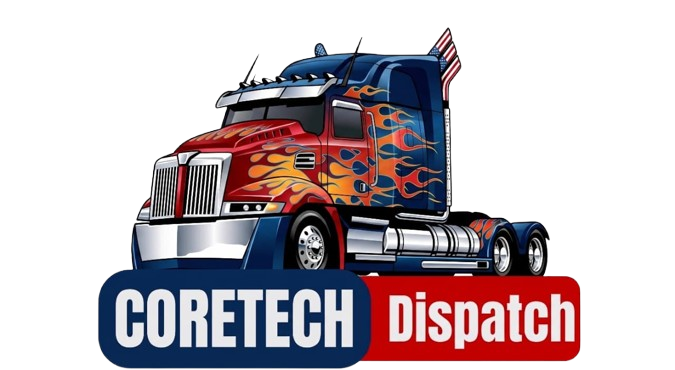
Optimizing Routes and Scheduling: Reducing Deadhead Miles and Improving Efficiency

Dispatching services play a pivotal role in optimizing trucking operations, extending far beyond simply connecting drivers with loads. A core function involves meticulously planning routes and schedules, a process directly impacting a company's profitability and the driver's efficiency. Effective route optimization directly addresses the costly issue of deadhead miles – the distance a truck travels without carrying freight. Minimizing these empty miles is a primary driver of improved efficiency and reduced operational expenses.

Historically, route planning relied heavily on manual processes, paper maps, and driver intuition. This approach was often inefficient, leading to longer transit times, increased fuel consumption, and higher maintenance costs. Modern dispatching services leverage sophisticated technology to overcome these limitations. These systems utilize algorithms that consider a multitude of factors, including real-time traffic conditions, road closures, weather forecasts, vehicle capacity, driver availability, and delivery time windows. By analyzing this data, dispatchers can generate the most efficient routes, ensuring trucks reach their destinations with minimal detours and delays.

The benefits of optimized routes are substantial. Reduced fuel costs are perhaps the most immediate and significant advantage. Fuel represents a major expenditure for trucking companies, and even small reductions in fuel consumption per trip can translate to considerable savings over time. For example, a study by the American Trucking Associations found that fuel costs represent approximately 35% of total operating expenses. Therefore, optimizing routes to reduce unnecessary mileage directly impacts the bottom line. Beyond fuel, optimized routing can also decrease wear and tear on vehicles, leading to lower maintenance costs and extended vehicle lifespans.

Scheduling optimization complements route planning by ensuring drivers are working efficiently and meeting delivery deadlines. Dispatchers can use software to create schedules that account for driver hours of service (HOS) regulations, ensuring compliance and preventing fatigue-related incidents. This involves carefully planning rest stops and ensuring drivers have adequate time off. Furthermore, scheduling tools can help match drivers with loads that align with their location and availability, minimizing idle time and maximizing productive hours. This also contributes to improved driver satisfaction, a crucial factor in retaining skilled professionals in a tight labor market.

Consider a scenario involving a regional trucking company delivering goods across several states. Without optimized routing, a driver might inadvertently take a longer route due to outdated information or a lack of real-time traffic awareness, adding hundreds of miles to their trip. With a dispatching service’s optimized routing capabilities, the same trip might be shortened by 15-20%, resulting in significant fuel savings and a quicker turnaround time. This improvement impacts not just the financial performance but also the company’s ability to fulfill commitments to its customers.

The implementation of optimized route and scheduling solutions often involves integrating various technologies. GPS tracking provides real-time vehicle location data. Telematics systems collect data on vehicle performance, driver behavior (e.g., speeding, harsh braking), and fuel consumption. These data points feed into sophisticated software platforms that generate optimal routes and schedules. Several tools are available, ranging from cloud-based dispatch software to specialized route optimization applications. The selection of the right technology depends on the size and complexity of the trucking operation.

Furthermore, proactive planning is key. Dispatchers should regularly review and update routes based on evolving conditions, such as seasonal weather patterns or infrastructure changes. This continuous optimization ensures that schedules remain efficient throughout the year. Moreover, providing drivers with clear and timely information about their routes and schedules empowers them to make informed decisions and contribute to overall operational effectiveness. This transparency fosters a more collaborative relationship between dispatch and drivers, leading to improved communication and a more streamlined workflow. The integration of weather data, for instance, allows for rerouting around potential hazards, ensuring safety and minimizing delays.

In summary, optimizing routes and scheduling is no longer a supplementary task but a fundamental requirement for success in the modern trucking industry. By embracing technology and implementing data-driven decision-making, trucking companies can significantly reduce deadhead miles, improve fuel efficiency, enhance driver satisfaction, and ultimately, increase profitability. The shift from manual planning to sophisticated, technology-driven approaches represents a significant advancement in operational efficiency, allowing dispatching services to deliver substantial value to trucking businesses.

Optimizing Routes and Scheduling: Reducing Deadhead Miles and Improving Efficiency

Real-Time Tracking and Visibility: Enhancing Driver Safety and Accountability

Modern dispatching services leverage advanced technology to provide real-time tracking and visibility of truck fleets. This capability dramatically enhances driver safety and promotes accountability, contributing significantly to operational efficiency. The shift from traditional dispatch methods, often relying on phone calls and estimated arrival times, to sophisticated digital systems has revolutionized the trucking industry.

One of the core benefits of real-time tracking is improved safety. By monitoring vehicle locations, dispatchers can quickly identify potential risks such as deviations from planned routes, unexpected stops, or delays in specific areas. This allows for proactive intervention, whether through communication with the driver or rerouting to avoid hazardous conditions. For instance, if a truck enters an area experiencing severe weather, dispatch can immediately alert the driver and suggest an alternative route. Similarly, if a vehicle experiences a sudden deceleration, it could indicate a mechanical issue or an accident, prompting swift assistance. This proactive approach is crucial in reducing accidents and ensuring driver well-being.

Beyond safety, real-time visibility fosters greater accountability. Tracking data provides a detailed record of a truck’s journey, including speed, stops, and idle time. This information can be used to monitor driver performance, identify areas for improvement, and ensure adherence to company policies and regulations. For example, consistent deviations from planned routes or excessive idling can be addressed through coaching and training. This isn't about surveillance; rather, it's about providing data-driven insights to improve driver behavior and operational efficiency.

The implementation of these systems often involves GPS technology integrated with telematics devices installed in vehicles. These devices transmit data wirelessly to a central dispatch platform, providing a live view of the fleet. This platform typically offers a range of features beyond basic location tracking, including:

  • Geofencing is Defining virtual boundaries and receiving alerts when a vehicle enters or exits a specific area.

  • Speed Monitoring isTracking vehicle speed and triggering alerts for speeding violations.

  • Engine Diagnostics isMonitoring vehicle health and identifying potential mechanical issues.

  • Driver Behavior Monitoring: Analyzing driving patterns such as harsh braking and acceleration.

  • Automated Reporting: Generating reports on various metrics like mileage, fuel consumption, and downtime.

Consider a logistics company managing a fleet of 50 trucks. Before implementing a real-time tracking system, they experienced frequent delays due to a lack of visibility into driver locations and potential issues. Drivers sometimes took unauthorized detours, and it was difficult to accurately estimate arrival times. After implementing a comprehensive telematics solution, the company saw a 15% reduction in delivery times and a 10% decrease in fuel costs within the first six months. Furthermore, the ability to quickly locate vehicles in case of emergencies significantly improved safety protocols.

The impact of real-time tracking extends to improved customer service. Accurate ETAs, provided through the dispatch system or integrated with customer portals, enhance transparency and manage expectations. This proactive communication can prevent customer dissatisfaction arising from unexpected delays. Moreover, the data collected can help optimize delivery routes and schedules, leading to more reliable service.

As technology continues to advance, real-time tracking and visibility solutions are becoming increasingly sophisticated. Future iterations may incorporate predictive analytics to anticipate potential delays based on traffic conditions and historical data. Furthermore, integration with other fleet management systems, such as maintenance scheduling and fuel card management, will provide a more holistic view of fleet operations. The ongoing evolution of this technology underscores its vital role in shaping the future of the trucking industry, prioritizing both driver safety and operational efficiency.

Automating Paperwork and Compliance: Simplifying Administrative Tasks

For truck drivers, the journey isn't just about miles traveled; it’s a complex web of paperwork and compliance requirements. Traditionally, managing these administrative tasks – from logging hours and vehicle inspections to submitting tax documents and maintaining electronic logging device (ELD) records – has consumed valuable time, time that could be spent on the road. However, advancements in technology are rapidly changing this landscape, offering powerful solutions for automation and simplification. Dispatching services are at the forefront of this transformation, providing tools that streamline administrative processes and free up drivers to focus on their primary responsibility: delivering goods safely and efficiently.

One significant area of automation lies in ELD compliance. ELDs are mandated by regulations designed to improve road safety and driver well-being. Manually tracking hours of service (HOS) was prone to errors and time-consuming. Now, many dispatching platforms integrate seamlessly with ELD devices. This integration automatically records driving time, breaks, and other HOS data, eliminating the need for manual logging and reducing the risk of violations. This automation not only ensures compliance but also provides accurate records for both the driver and the company.

Beyond ELD compliance, dispatching services offer comprehensive solutions for other paperwork burdens. Automated systems can facilitate electronic log submission, reducing paperwork and speeding up the approval process. Furthermore, these platforms often include features for generating and managing various reports, such as fuel consumption reports, maintenance schedules, and performance metrics. These reports provide valuable insights for fleet managers, enabling data-driven decision-making. Consider a trucking company with a fleet of 50 vehicles. Using a dispatching platform with automated reporting could save hundreds of hours each month previously dedicated to manual data compilation and analysis.

Compliance with safety regulations involves a significant amount of documentation. Dispatching platforms streamline this process by enabling drivers to digitally record pre-trip and post-trip inspections. These digital records, often captured through mobile apps, eliminate paper forms and allow for photo documentation as evidence. The system can then automatically generate compliance reports, simplifying audits and reducing the risk of penalties. This digital approach also enhances data accessibility, allowing fleet managers to quickly review inspection history and identify potential maintenance needs.

Furthermore, automating tax-related paperwork is another key benefit. Dispatching software can assist with generating mileage reports, which are essential for claiming tax deductions. Some platforms even integrate with accounting software, simplifying the process of submitting tax information. This reduces the administrative burden on both the driver and the company, minimizing the potential for errors and ensuring timely tax filing.

The shift towards automation isn't just about convenience; it's about efficiency and cost savings. By reducing manual data entry, minimizing errors, and streamlining workflows, dispatching services help companies optimize their administrative processes. This translates to lower operational costs and increased profitability. It also allows drivers to spend more time on the road, increasing revenue generation. The ability to quickly access and share information – such as load details, delivery schedules, and compliance records – further enhances operational efficiency.

Dispatching services are continually evolving to meet the changing needs of the trucking industry. As technology advances, we can expect to see even more sophisticated automation features emerge, further simplifying administrative tasks and empowering drivers to focus on what they do best: transporting goods safely and reliably. This evolution is driven by the increasing emphasis on regulatory compliance and the desire for greater operational efficiency within the trucking sector. The long-term implications are a more streamlined, efficient, and compliant trucking industry overall.

Automating Paperwork and Compliance: Simplifying Administrative Tasks

Choosing the Right Dispatching Service: Key Features and Considerations

Selecting a dispatching service is a pivotal decision for any trucking company aiming to optimize operations and enhance driver satisfaction. It’s more than just connecting drivers with loads; it’s about a complex ecosystem of technology, logistics, and communication. The best service will align with a company’s specific needs, whether it's a small owner-operator or a large fleet. Understanding the core features and considerations involved is crucial for making an informed choice.

One of the most important aspects to evaluate is the technology platform offered by the dispatching service. A robust platform should provide real-time visibility into loads, driver locations, and vehicle status. This allows for efficient load assignment, proactive problem-solving, and improved communication. Look for features like:

  • GPS Tracking: Real-time location monitoring for enhanced security and accurate ETA calculations.

  • Load Board Integration: Seamless connection to various load boards to maximize available freight opportunities.

  • Mobile App for Drivers: Enables drivers to receive dispatch instructions, update status, and communicate with dispatch.

  • Automated Dispatching: Algorithms to optimize load assignments based on factors like location, equipment, and driver preferences.

  • Reporting and Analytics: Provides insights into key performance indicators (KPIs) such as on-time delivery rates, fuel efficiency, and driver performance.

Beyond technology, consider the types of loads the dispatching service specializes in. Some focus on dry van freight, while others handle refrigerated goods, oversized cargo, or specialized shipments. A service specializing in the type of freight your company handles can offer more targeted opportunities and expertise. For example, a dispatching service specializing in hazardous materials transport will have the necessary compliance knowledge and safety protocols in place.

Another critical factor is the communication and customer support provided. Prompt and reliable communication is vital for resolving issues, answering questions, and ensuring a smooth dispatch process. Assess the availability of support channels (phone, email, chat) and the responsiveness of the team. A dispatch service that offers 24/7 support can be invaluable for addressing urgent situations that may arise during a driver's journey. Consider asking for references and speaking to existing clients to gauge their satisfaction with the service’s communication and support capabilities.

The pricing structure should also be carefully examined. Dispatching services typically charge based on a percentage of the freight value, a flat monthly fee, or a combination of both. Understand all potential fees, including setup costs, transaction fees, and any additional charges. Compare the pricing models of different services to determine the most cost-effective option for your business. Be wary of hidden fees, and ensure the pricing is transparent and easy to understand.

Furthermore, it’s essential to evaluate the service's compliance expertise. The trucking industry is heavily regulated, and a reputable dispatching service should be well-versed in federal and state regulations regarding safety, hours of service, and other compliance requirements. This expertise can help prevent costly fines and legal issues. They should stay updated on changes in regulations and provide drivers with the necessary information to remain compliant. Reliable dispatchers will often have systems in place to help drivers track their hours of service and avoid violations.

Finally, assess the geographic coverage offered by the service. Ensure they have a strong network of carriers and loads in the regions where your drivers operate or plan to operate. A wide geographic reach provides greater flexibility and access to a broader range of opportunities. Consider the density of freight in your typical operating areas.

A practical example illustrates the benefits of choosing the right dispatching service. A small trucking company, initially struggling with inefficient load matching and communication gaps, switched to a dispatching service with a comprehensive technology platform and dedicated support team. Within six months, they saw a 15% increase in driver utilization, a 10% reduction in empty miles, and a significant improvement in driver satisfaction, largely due to streamlined communication and more consistent freight opportunities.

Investing time in evaluating these key features and considerations will empower trucking companies to select a dispatching service that truly saves time, reduces operational costs, and enhances driver experience – ultimately contributing to greater profitability and long-term success.

Advanced Dispatching Strategies: Predictive Analytics and Future Trends

Dispatching services have fundamentally evolved beyond simple route assignment. Today's most effective solutions leverage sophisticated predictive analytics to proactively manage fleets, optimize resource allocation, and ultimately, save even more time for truck drivers. This section explores these advanced strategies and delves into emerging trends shaping the future of dispatching.

Advanced Dispatching Strategies: Predictive Analytics and Future Trends

The Rise of Predictive Analytics in Dispatching

Predictive analytics utilizes historical data, real-time information, and statistical algorithms to forecast future events. In dispatching, this translates to anticipating potential delays, predicting optimal routes, and proactively addressing logistical challenges. For example, systems can analyze past traffic patterns, weather forecasts, and even road construction schedules to identify potential bottlenecks before they impact drivers. This allows dispatchers to reroute vehicles or adjust schedules before delays occur, preserving valuable time and ensuring timely deliveries. A study by the American Trucking Associations found that route optimization alone can reduce fuel costs by 5-15%, a direct result of more efficient dispatching decisions.

Beyond basic route optimization, predictive analytics can forecast driver availability based on factors like scheduled breaks, regulatory requirements (such as hours of service), and even historical performance data. This ensures that the right drivers are available at the right time, minimizing downtime and maximizing fleet efficiency. A real-world scenario involved a major logistics company implementing a predictive maintenance system. By analyzing sensor data from vehicles, they could anticipate potential mechanical issues and schedule preventative maintenance, preventing costly breakdowns and keeping drivers on schedule.

Key Applications of Predictive Analytics

Predictive analytics isn't just about avoiding problems; it’s about optimizing the entire dispatching process. Here are some key applications:

  • Dynamic Route Optimization is a Real-time adjustments to routes based on current conditions, factoring in traffic, weather, and road closures. This goes beyond static route planning.

  • Predictive ETA (Estimated Time of Arrival) is a More accurate ETAs that account for potential delays, improving communication with customers and reducing customer service inquiries.

  • Driver Performance Prediction is Identifying drivers who may be at risk of violating hours of service regulations or exhibiting unsafe driving behaviors, allowing for proactive intervention and safety measures.

  • Demand Forecasting is Anticipating fluctuations in demand to proactively allocate resources and prevent service disruptions. This is particularly useful for businesses dealing with seasonal peaks or unpredictable order volumes.

  • Proactive Maintenance Scheduling is Predicting vehicle maintenance needs based on usage and sensor data to minimize downtime and repair costs.

Emerging Trends in Dispatching

The future of dispatching is increasingly driven by technological advancements. Several key trends are poised to reshape the industry:

Artificial Intelligence (AI) and Machine Learning (ML):

AI and ML are enhancing predictive capabilities, enabling more complex analyses and automated decision-making. These technologies can learn from vast amounts of data to identify patterns and optimize dispatching strategies in real-time. Google research indicates that AI-powered route optimization can reduce delivery times by up to 10%.

Internet of Things (IoT) Integration:

Connecting vehicles and assets through IoT devices provides a constant stream of real-time data, further enhancing predictive accuracy and enabling proactive management. This includes data from telematics systems, sensors, and even environmental monitors.

Autonomous Vehicles & Dispatching:

While fully autonomous trucking is still developing, the eventual integration of autonomous vehicles will necessitate significant changes in dispatching strategies, focusing on fleet management and remote monitoring rather than direct route assignment.

Hyperlocal Dispatching Platforms:

Platforms are emerging that focus on optimizing routes and deliveries within specific geographic areas, particularly for last-mile delivery services. These platforms often leverage crowd-sourced data and advanced algorithms to ensure efficient and timely deliveries.

Increased Focus on Sustainability:

Dispatching solutions are incorporating factors like fuel efficiency, emissions reduction, and alternative fuel vehicle routing to meet growing environmental concerns. This includes optimizing routes for lower fuel consumption and identifying opportunities for electric vehicle adoption. The industry is seeing a growing demand for solutions that enable businesses to track and reduce their carbon footprint.