Fuel costs crushing your long haul trucking profits? Learn 7 proven diesel fuel saving tips & fuel efficiency tips for trucks to save fuel in long haul trucking & reduce your diesel fuel budget. https://www.coretechdispatch.com/ has the insights you need to How to Save Money on Diesel Fuel.
Table of Content
- Understanding Diesel Fuel Consumption: Key Factors Affecting Truck Fuel Costs
- Decoding Your Truck's Fuel Efficiency: Monitoring and Analyzing Performance Metrics
- Optimizing Driving Habits for Maximum Fuel Savings: Driver Behavior and Techniques
- Preventative Maintenance Strategies to Reduce Diesel Fuel Waste in Trucks
- Advanced Fuel Management Techniques: Telematics, Software, and Data Analysis
- The Power of Telematics
- Software Platforms for Optimization
- Harnessing Data Analysis for Fuel Savings
- Practical Applications and Implementation
- Long Term Diesel Cost Reduction: Fleet Planning and Alternative Fuel Considerations
- Strategic Fleet Planning for Fuel Efficiency
- Exploring Alternative Fuel Options
- Implementing a Long Term Strategy
- Frequently Asked Questions
Understanding Diesel Fuel Consumption: Key Factors Affecting Truck Fuel Costs
Diesel fuel consumption in long haul trucking is a significant operational expense, directly impacting profitability. Understanding the various factors that influence this consumption is paramount for fleet managers seeking to optimize costs and enhance efficiency. Several interconnected elements contribute to how much diesel a truck engine uses, ranging from the truck's specifications and the driver's techniques to external conditions and maintenance practices.
One of the primary drivers of fuel consumption is the truck itself. Factors like engine size and type, vehicle weight, aerodynamics, and tire pressure play crucial roles. Larger engines, while offering more power, generally consume more fuel, especially when operating at lower loads. The overall weight of the truck, including cargo, fuel, and the vehicle itself, directly correlates with the energy required to move it. Aerodynamics significantly impact fuel efficiency at highway speeds; a truck with poor aerodynamics experiences greater air resistance, demanding more power from the engine. Properly inflated tires also reduce rolling resistance, leading to improved fuel economy.
Driver behavior represents another substantial contributor to fuel costs. Techniques such as aggressive acceleration and braking, excessive idling, and speeding all lead to increased fuel consumption. Frequent hard acceleration and abrupt braking waste fuel by converting kinetic energy into heat. Prolonged idling, even for short periods, burns fuel without covering distance. Maintaining a consistent speed and anticipating traffic flow can significantly improve fuel efficiency. According to the U.S. Environmental Protection Agency (EPA), driver behavior can account for up to 25-30% of a truck’s fuel consumption.
The route and driving conditions also have a profound influence. Hilly terrain necessitates more engine power, leading to higher fuel usage compared to flat roads. Headwinds create additional drag, increasing fuel consumption. Weather conditions, such as rain, snow, and ice, can also impact fuel efficiency due to increased rolling resistance and the need for more power to maintain speed. Planning routes to minimize elevation changes and headwinds can result in notable fuel savings.
Regular maintenance is essential for maintaining optimal fuel efficiency. A well maintained engine operates more efficiently. This includes regular oil changes, filter replacements (air, fuel, and oil), and ensuring proper engine tuning. A clogged air filter, for instance, restricts airflow to the engine, forcing it to work harder and consume more fuel. Similarly, worn spark plugs can lead to incomplete combustion, reducing fuel economy. Furthermore, ensuring the truck’s tires are properly aligned and that the suspension system is in good condition minimizes unnecessary friction and improves fuel efficiency.
Beyond these core factors, the type of cargo being hauled can also affect fuel consumption. Heavier loads naturally require more power, but the shape and distribution of the cargo can also influence aerodynamic drag. Properly securing cargo and ensuring even weight distribution can contribute to better fuel efficiency.
Fleet management systems and telematics offer valuable insights into fuel consumption patterns. These systems track various data points, including fuel levels, engine performance, driver behavior, and route taken, providing fleet managers with the information needed to identify areas for improvement. Analyzing this data allows for targeted training programs for drivers, optimization of routes, and proactive maintenance scheduling – all contributing to reduced diesel fuel costs.
Understanding the interplay of these factors is crucial for long haul trucking companies aiming to improve their bottom line. By addressing these key areas, fleets can implement effective strategies to minimize fuel consumption and optimize their operational expenses.
Decoding Your Truck's Fuel Efficiency: Monitoring and Analyzing Performance Metrics
Understanding a long haul truck’s fuel efficiency isn't about simply looking at the overall MPG figure. It’s a dynamic process involving the continuous monitoring and analysis of several key performance metrics. These metrics offer valuable insights into how the truck and its operation are impacting fuel consumption, allowing drivers and fleet managers to identify areas for improvement.
One of the most fundamental metrics is gallons per mile (GPM). While often quoted, GPM alone can be misleading due to variations in load, terrain, and driving conditions. However, tracking GPM over time, with consistent loads and routes, provides a baseline for evaluating changes resulting from fuel saving initiatives. Furthermore, comparing GPM across different trucks of the same model can highlight potential maintenance issues or driver behavior variations.
Beyond GPM, engine load is a critical indicator. Engine load represents the amount of power the engine is working to produce. High engine load, often occurring during hard acceleration or climbing steep grades, directly translates to increased fuel consumption. Modern trucks often feature electronic control units (ECUs) that provide real time engine load data, allowing drivers to adjust their driving style to maintain optimal efficiency. Techniques like anticipating hills and coasting whenever possible can significantly reduce peak engine load. Consider a scenario where a driver consistently experiences high engine load on a particular route; investigating potential causes like tire pressure or aerodynamic issues could yield substantial fuel savings.
Fuel consumption rate offers a more granular view of fuel usage. Monitoring the amount of fuel consumed over specific distances reveals patterns that GPM might obscure. For example, a sudden spike in fuel consumption during a certain segment of a route could indicate a mechanical problem or unusual driving behavior. Fleet management systems often log fuel consumption data at regular intervals, providing this detailed tracking capability. This data can be invaluable for diagnosing issues and evaluating the effectiveness of driver training programs.
Idle time is another significant factor often overlooked. Excessive idling wastes fuel and increases engine wear. Modern trucks incorporate features like automatic engine stop/start systems to minimize idling. However, drivers should avoid prolonged idling, even for short periods. According to the National Highway Traffic Safety Administration (NHTSA), idling for more than 10 seconds wastes more fuel than restarting the engine. Implementing policies that discourage unnecessary idling can lead to noticeable fuel savings over time.
Speed has a substantial impact on fuel economy. There's a point of diminishing returns where increasing speed doesn't proportionally increase productivity but significantly cuts into fuel efficiency. Optimal speeds vary depending on the truck model and road conditions, but generally, maintaining a consistent speed within the recommended range is crucial. Using cruise control on level roads can help maintain a steady speed and improve fuel economy.
Tire pressure and condition are often underestimated. Underinflated tires increase rolling resistance, forcing the engine to work harder and consume more fuel. Regularly checking and maintaining proper tire pressure, as recommended by the manufacturer, is a simple yet effective way to improve fuel efficiency. Additionally, worn or damaged tires can also increase rolling resistance.
Fleet management software plays a vital role in collecting and analyzing these performance metrics. These systems can track various data points, generate reports, and provide insights into fuel consumption patterns, driver behavior, and vehicle health. By leveraging the data provided by these systems, fleet managers can identify areas for improvement, implement targeted training programs, and ultimately reduce fuel costs. Analyzing historical data can reveal trends and help predict future fuel consumption, allowing for proactive maintenance and operational adjustments.
Optimizing Driving Habits for Maximum Fuel Savings: Driver Behavior and Techniques

Beyond the mechanical aspects of diesel engine maintenance, driver behavior significantly impacts fuel consumption in long haul trucking. Shifting gears from aggressive driving habits to more efficient techniques can yield substantial fuel savings, directly affecting a fleet's bottom line. This section explores key driver behaviors and practical techniques for maximizing fuel economy.
One of the most significant contributors to fuel waste is an aggressive driving style. Frequent hard acceleration and braking consume considerably more fuel than smooth, gradual changes in speed. Consider the impact of jackrabbit starts versus anticipatory slowing. A sudden burst of power requires the engine to work much harder, leading to a spike in fuel consumption. Conversely, anticipating traffic flow and coasting to a stop reduces unnecessary fuel expenditure. Implementing driver training programs focused on smooth acceleration and deceleration can produce noticeable results. For instance, studies have shown that aggressive driving can increase fuel consumption by as much as 30% compared to a more moderate approach.
Maintaining a consistent speed is another crucial element of fuel efficiency. Fluctuations in speed, especially at highway speeds, force the engine to constantly adjust power output, decreasing overall efficiency. Utilizing cruise control on level stretches of road can help maintain a steady speed, optimizing fuel consumption. However, it’s important to note that cruise control isn't always optimal in varying terrain; drivers should still remain attentive and adjust speed as needed for safety and road conditions. Furthermore, understanding the optimal speed for a particular truck model and road conditions is beneficial. Many manufacturers provide recommended speed ranges for maximum fuel economy.
Proper use of the transmission is paramount for diesel engine efficiency. Selecting the correct gear for the road grade and speed is essential. Driving in too high a gear forces the engine to rev excessively, wasting fuel. Conversely, lugging the engine in too low a gear also increases fuel consumption. Modern commercial vehicles often feature electronic transmissions with trip computers that provide guidance on optimal gear selection. Drivers should be trained to interpret this data and adjust their gear choices accordingly. Regular transmission maintenance, including timely fluid changes, also contributes to smooth shifting and efficient operation.
Aerodynamics play a surprisingly large role in fuel economy, particularly at highway speeds. Aerodynamic drag increases exponentially with speed. Therefore, minimizing factors that increase drag can lead to significant fuel savings. This includes ensuring the truck is properly loaded and that cargo is secured to avoid creating wind resistance. Additionally, removing unnecessary external accessories, such as sun deflectors not actively used, can improve aerodynamic efficiency. Regularly inspecting and maintaining the truck's body for damage or misalignment can also help minimize drag.
Fuel management systems and telematics offer valuable insights into driver behavior and fuel consumption patterns. These systems can track various metrics like speed, idle time, harsh braking events, and fuel efficiency. This data allows fleet managers to identify areas where individual drivers could improve their techniques and provides a basis for targeted training programs. Real time feedback on fuel efficiency can also motivate drivers to adopt more economical driving habits. Data analysis from telematics can reveal trends and highlight opportunities for fleet wide optimization strategies.
Finally, minimizing idling time is a straightforward yet effective way to save fuel. Idling consumes fuel without covering any distance. Modern diesel engines require a certain warm up period, but prolonged idling is wasteful. Implementing policies that discourage excessive idling, such as limiting engine running time during long layovers, can result in substantial fuel savings over time. Drivers should be encouraged to shut off the engine when stopped for extended periods.
Preventative Maintenance Strategies to Reduce Diesel Fuel Waste in Trucks
Maintaining a truck’s engine and components in optimal condition is a cornerstone of efficient long haul trucking, and significantly impacts fuel consumption. Neglecting preventative maintenance can lead to decreased fuel economy, increased repair costs, and more downtime. A proactive approach to upkeep can yield substantial savings at the fuel pump.
One crucial strategy involves regular tire maintenance. Properly inflated tires reduce rolling resistance, allowing the engine to work less hard. Underinflated tires, a common issue, increase friction and force the engine to expend more energy. Fleet managers should implement a schedule for routine tire pressure checks and adjustments, ideally at least once a month, and certainly before long hauls. Furthermore, tire alignment plays a vital role. Misaligned wheels cause uneven wear and increased drag, directly impacting fuel efficiency. Regular alignment checks and adjustments are therefore essential.
Engine health is inextricably linked to fuel consumption. A well maintained engine operates with greater efficiency. This begins with consistent oil changes. Using the manufacturer recommended oil type and adhering to the specified intervals is paramount. Old or dirty oil increases friction within the engine, leading to wasted fuel. Beyond oil, regular inspection and replacement of air filters are important. A clogged air filter restricts airflow to the engine, forcing it to work harder to pull in the necessary air, thereby reducing power and increasing fuel use.
Another often overlooked aspect of preventative maintenance is fuel system upkeep. Fuel injectors, responsible for precisely delivering fuel into the engine, can become clogged over time. Clogged injectors result in incomplete combustion, leading to wasted fuel and reduced engine performance. Utilizing fuel additives designed to clean fuel injectors periodically can help maintain their efficiency. Furthermore, inspecting fuel lines and filters for leaks or blockages is a routine preventative measure that can prevent costly fuel losses.
Consider the impact of regular engine diagnostics. Utilizing onboard diagnostics (OBD) systems and periodic professional check ups can identify potential problems early on. Small issues, if left unattended, can escalate into major repairs that drastically reduce fuel economy. For example, a faulty oxygen sensor can lead to improper fuel air mixture, significantly impacting fuel efficiency. Addressing these issues promptly prevents further fuel waste and costly downtime.
Implementing a comprehensive preventative maintenance schedule isn’t just about individual components; it's about holistic engine management. This includes regular monitoring of engine performance parameters such as coolant levels, transmission fluid condition, and the overall health of belts and hoses. A systematic approach ensures that potential problems are identified and addressed before they significantly impact fuel efficiency. For instance, a worn belt can cause accessories to operate inefficiently, adding to the engine’s load.
The benefits of robust preventative maintenance practices extend beyond fuel savings. They contribute to increased truck lifespan, reduced repair costs, and improved driver safety. A well maintained fleet is a more reliable fleet, minimizing disruptions and maximizing productivity. By prioritizing preventative maintenance, trucking companies can achieve significant and sustainable reductions in diesel fuel waste, contributing to both their bottom line and environmental responsibility.
Advanced Fuel Management Techniques: Telematics, Software, and Data Analysis
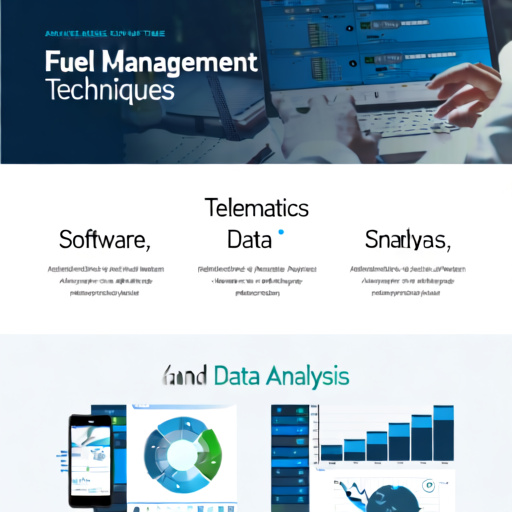
Modern long haul trucking demands efficiency beyond just maximizing speed. Fuel costs represent a significant operational expense, making advanced fuel management techniques crucial for profitability. This section explores how telematics, specialized software, and data analysis are transforming diesel fuel consumption. By leveraging these technologies, fleet operators can gain unprecedented insights into their vehicles' performance and driver behavior, leading to substantial fuel savings.
The Power of Telematics
Telematics systems involve the use of GPS and onboard sensors to collect real time data from trucks. This data stream provides a comprehensive view of vehicle operations, far exceeding basic mileage tracking. Key metrics include engine performance, idling time, speed, harsh braking events, and fuel consumption. This granular information is transmitted wirelessly to a central platform for monitoring and analysis. For example, a telematics system can alert fleet managers to excessive idling, a common culprit for wasted fuel. Furthermore, it can identify vehicles with unusual fuel consumption patterns, indicating potential mechanical issues requiring prompt attention. The insights gleaned from telematics empower proactive maintenance and driver coaching, directly impacting fuel efficiency.
Software Platforms for Optimization
The data collected by telematics systems is typically processed and visualized through sophisticated software platforms. These platforms offer a range of features designed to optimize fuel usage. Many offer route optimization capabilities, considering factors like traffic, elevation changes, and road conditions to minimize fuel consumption. Driver behavior monitoring is another core function, allowing managers to identify and address wasteful habits like aggressive acceleration and hard braking – practices known to reduce fuel economy by as much as 30%. Software can also provide detailed reports on fuel efficiency trends, allowing for performance comparisons across vehicles and drivers. Some advanced platforms incorporate predictive analytics, forecasting future fuel needs based on historical data and planned routes, enabling better fuel purchasing decisions. The ability to set performance benchmarks and track progress towards fuel saving goals is a valuable asset.
Harnessing Data Analysis for Fuel Savings
Raw data is only valuable when analyzed. Effective data analysis transforms the vast amounts of information generated by telematics and software into actionable intelligence. Fleet managers can identify patterns and trends that would be impossible to discern manually. For instance, analyzing fuel consumption data in relation to route characteristics might reveal that certain routes consistently exhibit higher fuel usage. This could prompt a review of those routes or the vehicles assigned to them. Data analysis can also pinpoint individual driver behaviors that negatively impact fuel economy. For example, a driver with frequent hard acceleration events might benefit from targeted coaching on smoother driving techniques. Furthermore, comparing fuel efficiency across different truck models or engine types can inform future vehicle purchasing decisions. A study by the American Association of State Highway and Transportation Officials (AASHTO) found that implementing data driven fuel management strategies can lead to an average fuel savings of 10-15%.
Practical Applications and Implementation
Implementing advanced fuel management techniques doesn't have to be a massive undertaking. Here are a few practical steps:
- Start with Telematics: Select a telematics provider that meets your fleet's specific needs and budget.
- Driver Training: Couple telematics implementation with driver training programs focused on fuel efficient driving practices.
- Regular Data Review: Establish a routine for reviewing telematics data and generating reports.
- Set Performance Goals: Define realistic fuel saving targets and track progress.
- Continuous Improvement: Regularly evaluate your fuel management strategies and make adjustments as needed.
Long Term Diesel Cost Reduction: Fleet Planning and Alternative Fuel Considerations
The operational costs associated with diesel fuel represent a significant portion of long haul trucking expenses. While immediate fuel saving tips can provide short term relief, a more strategic approach focusing on fleet planning and considering alternative fuels offers substantial long term cost reduction and increased resilience. Fleet planning involves a holistic view of vehicle needs, routes, and operational strategies to optimize fuel efficiency. This encompasses factors from vehicle selection and maintenance schedules to driver training and route optimization software.
Strategic Fleet Planning for Fuel Efficiency
A well defined fleet plan starts with appropriate vehicle selection. The ideal truck type depends on the cargo, typical routes, and payload requirements. Considerations extend beyond just purchasing new vehicles; regularly evaluating the age and condition of the existing fleet is crucial. Older vehicles often suffer from reduced fuel economy due to outdated engine technology and increased friction. Implementing a proactive maintenance schedule, including regular engine tune ups, tire pressure checks, and fluid changes, can significantly impact fuel consumption. According to industry reports, proper tire inflation can improve fuel economy by up to 3%.
Route optimization plays a vital role. Utilizing GPS based routing software that considers real time traffic conditions, weather patterns, and road gradients can help drivers avoid unnecessary detours and stop and go traffic, both of which negatively affect fuel efficiency. Furthermore, consolidating loads and optimizing delivery schedules can reduce the number of miles driven, leading to direct fuel savings. Driver training is another cornerstone of effective fleet planning. Educating drivers on fuel efficient driving techniques, such as smooth acceleration and braking, maintaining consistent speeds, and minimizing idling, can yield considerable results. Companies that invest in driver training often see a measurable reduction in fuel consumption.
Exploring Alternative Fuel Options
While diesel has been the dominant fuel source for decades, alternative fuels are gaining traction as a means to reduce long term costs and environmental impact. Several options are available, each with its own set of advantages and disadvantages.
- Biodiesel: Derived from renewable sources like vegetable oils and animal fats, biodiesel can be used in existing diesel engines, often with little to no modifications. It can reduce greenhouse gas emissions and dependence on fossil fuels. However, biodiesel availability and cost can fluctuate.
- Compressed Natural Gas (CNG) and Liquefied Natural Gas (LNG): These fuels offer lower emissions compared to diesel and can be significantly cheaper in some regions. However, fleet investment in specialized vehicles and refueling infrastructure is required. The range of CNG and LNG vehicles can sometimes be a limiting factor for long haul operations.
- Electric Vehicles (EVs): Battery electric trucks are emerging as a viable option for shorter routes and urban deliveries. While the initial purchase cost is typically higher, the long term operating costs, particularly when electricity prices are favorable, can be lower. Charging infrastructure is a crucial consideration for EV fleet adoption.
- Hydrogen Fuel Cell Vehicles: These vehicles produce zero tailpipe emissions and offer a longer range compared to battery electric trucks. However, hydrogen refueling infrastructure is still in its early stages of development, and the cost of hydrogen fuel cells remains high.
Implementing a Long Term Strategy
Reducing diesel costs is not a one time fix but an ongoing process. A successful long term strategy involves a combination of proactive fleet planning, continuous monitoring of fuel consumption, and a willingness to explore and adapt to new technologies and fuel options. Regularly analyzing fuel data, identifying areas for improvement, and implementing adjustments to operational procedures are key to sustained cost savings. Furthermore, staying informed about government incentives and regulations related to alternative fuels can provide additional financial benefits and support sustainable fleet operations.
Frequently Asked Questions
- What factors contribute to diesel fuel consumption in trucks?
- How much can driver behavior affect fuel costs?
- What role does truck maintenance play in fuel efficiency?